Key checks
Cap style, torque requirement, neck finish, container stability and whether automatic cap feeding is required.
Products
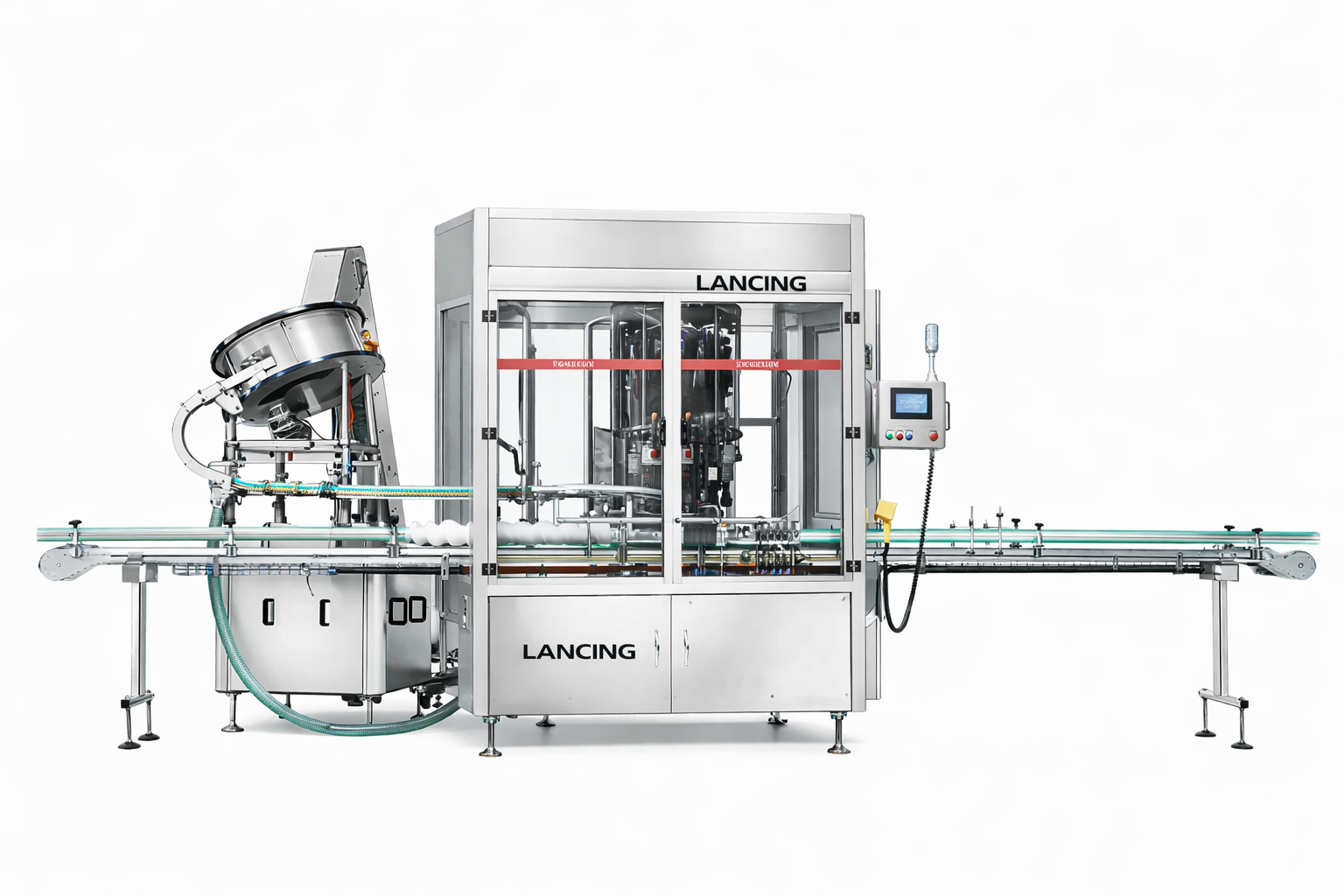
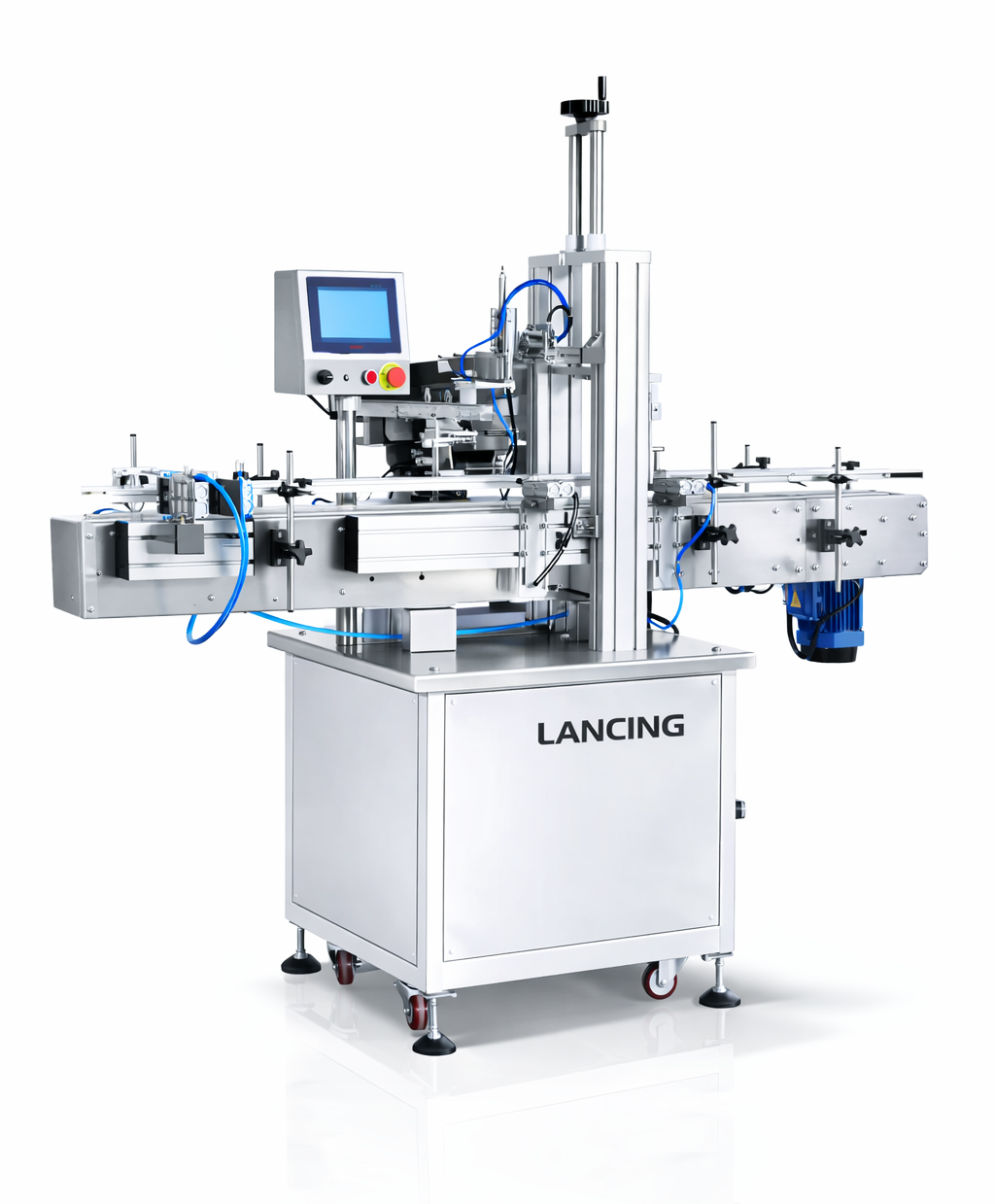
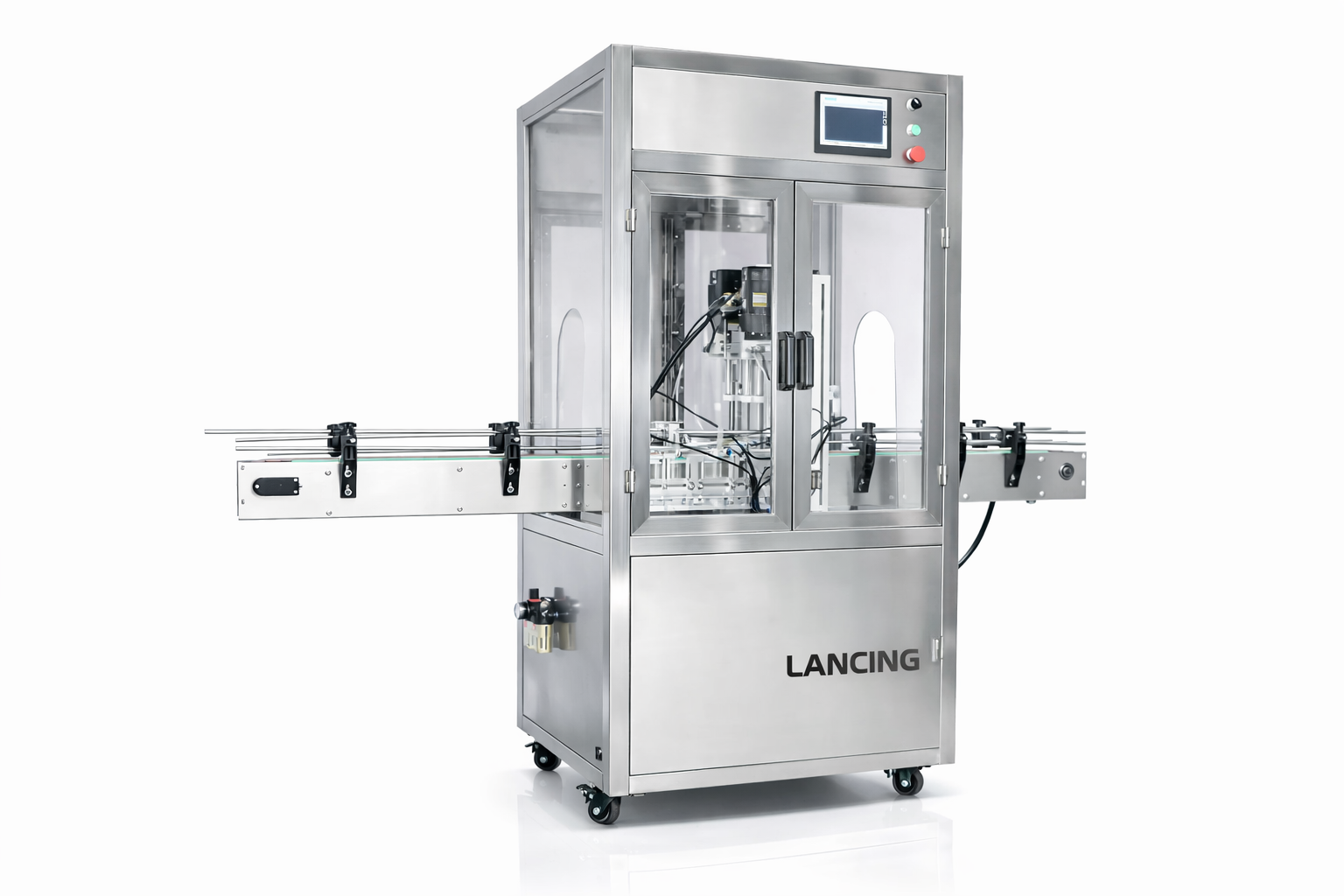
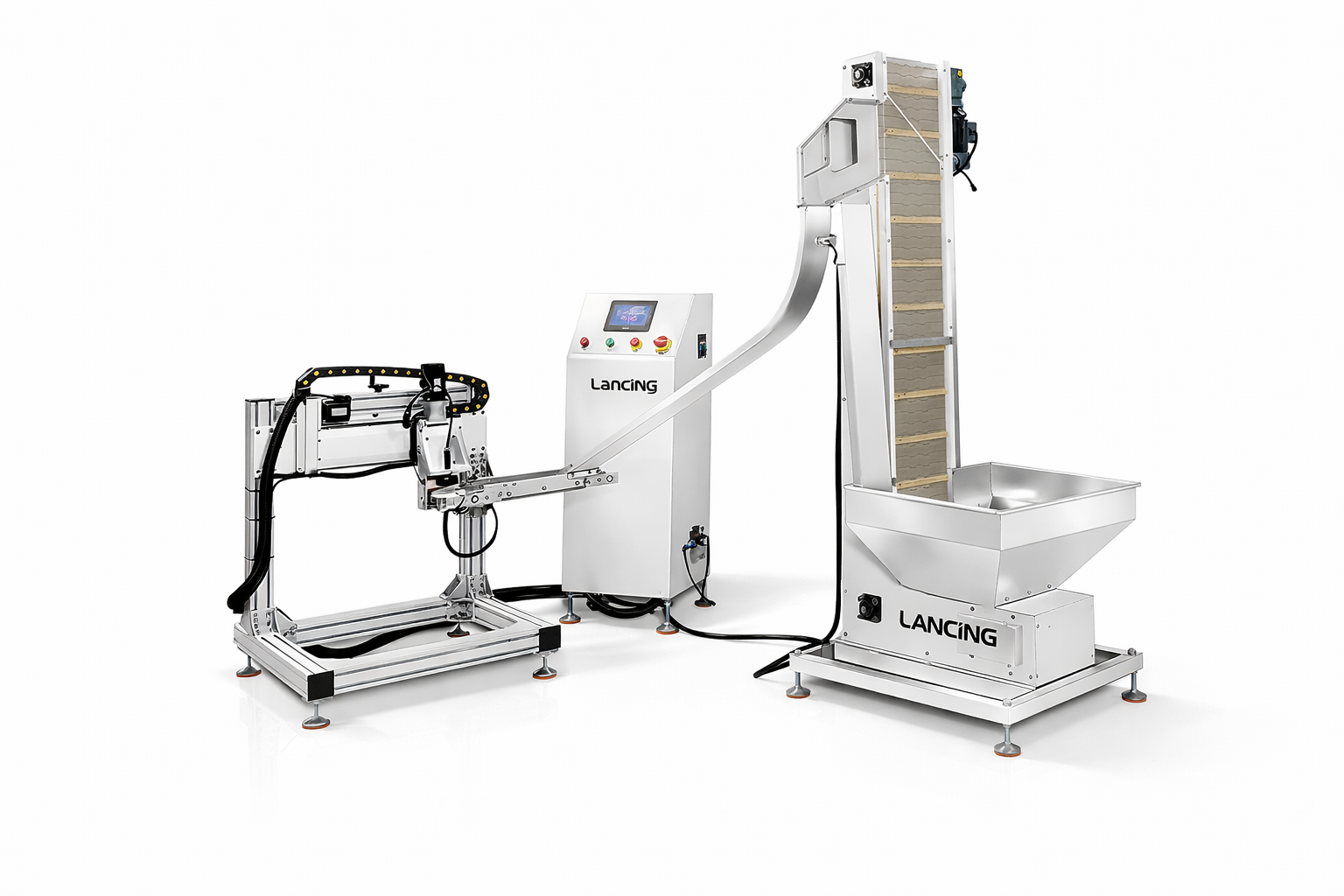
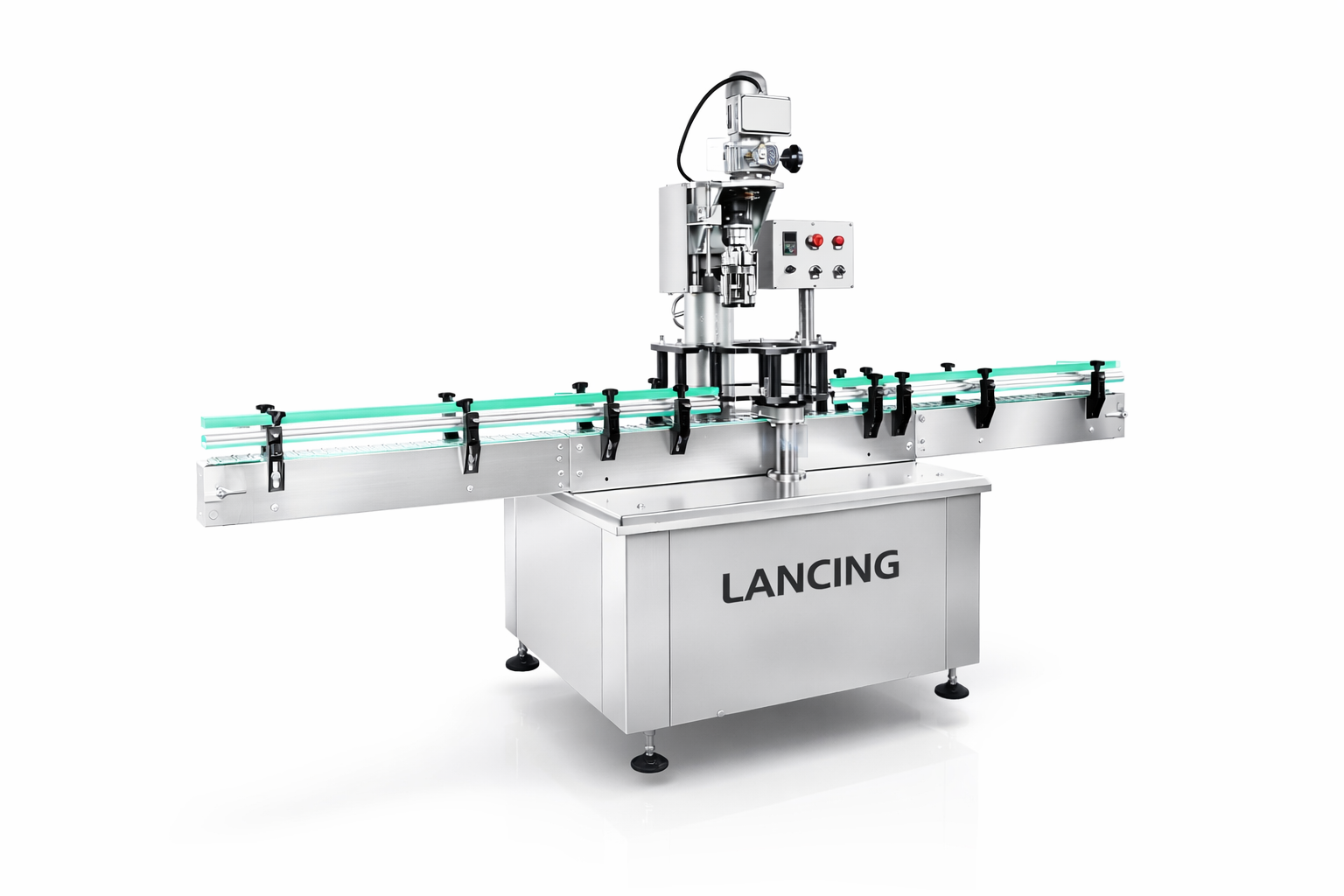
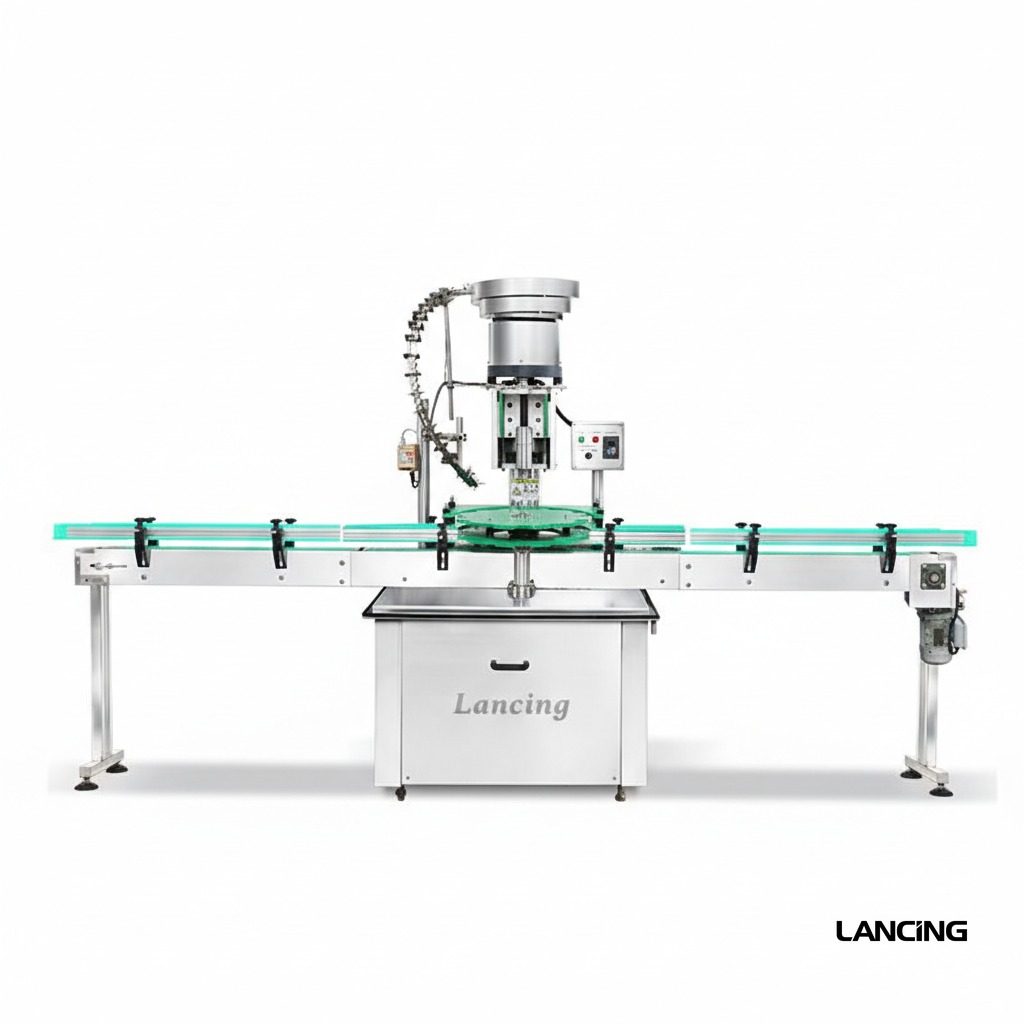
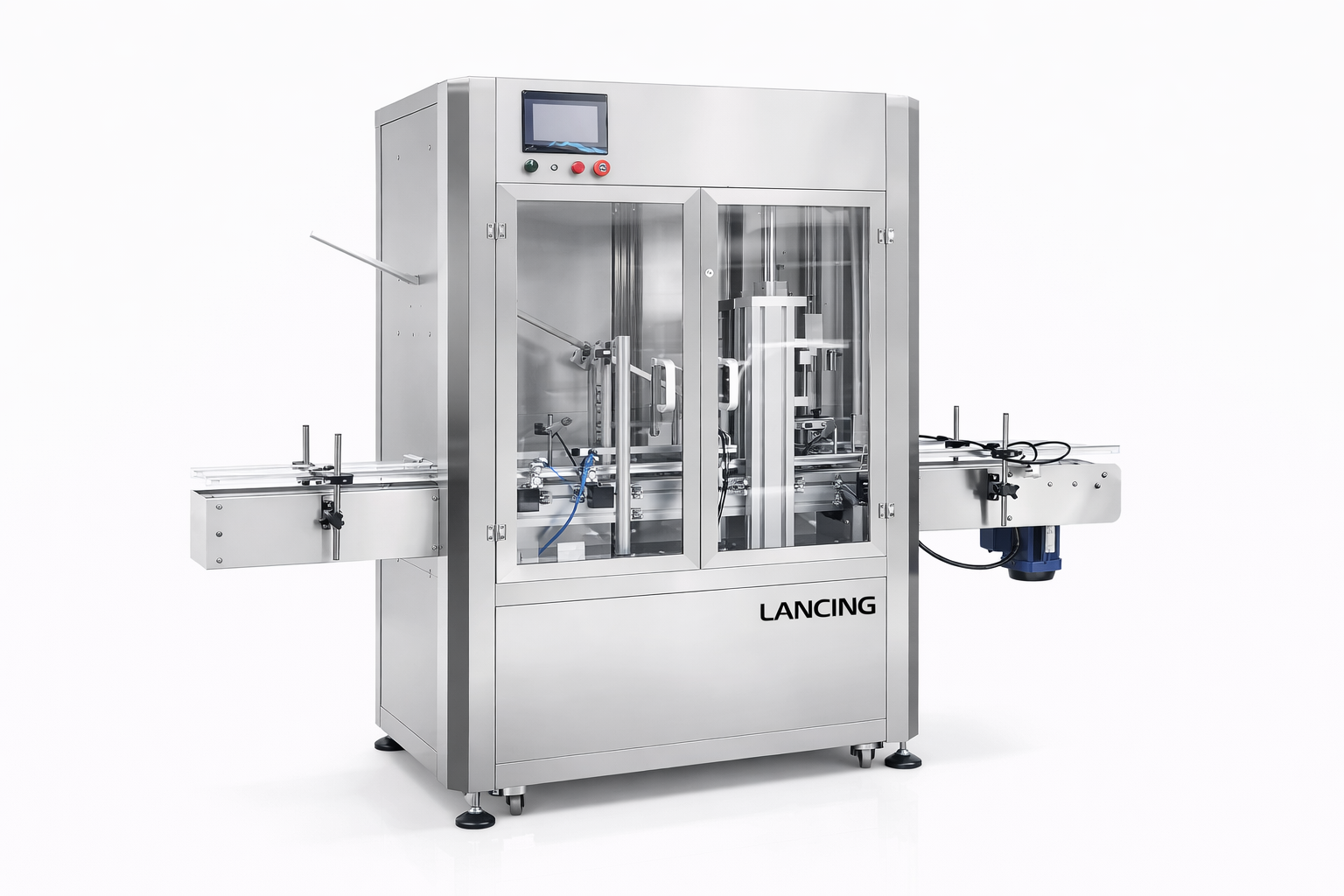
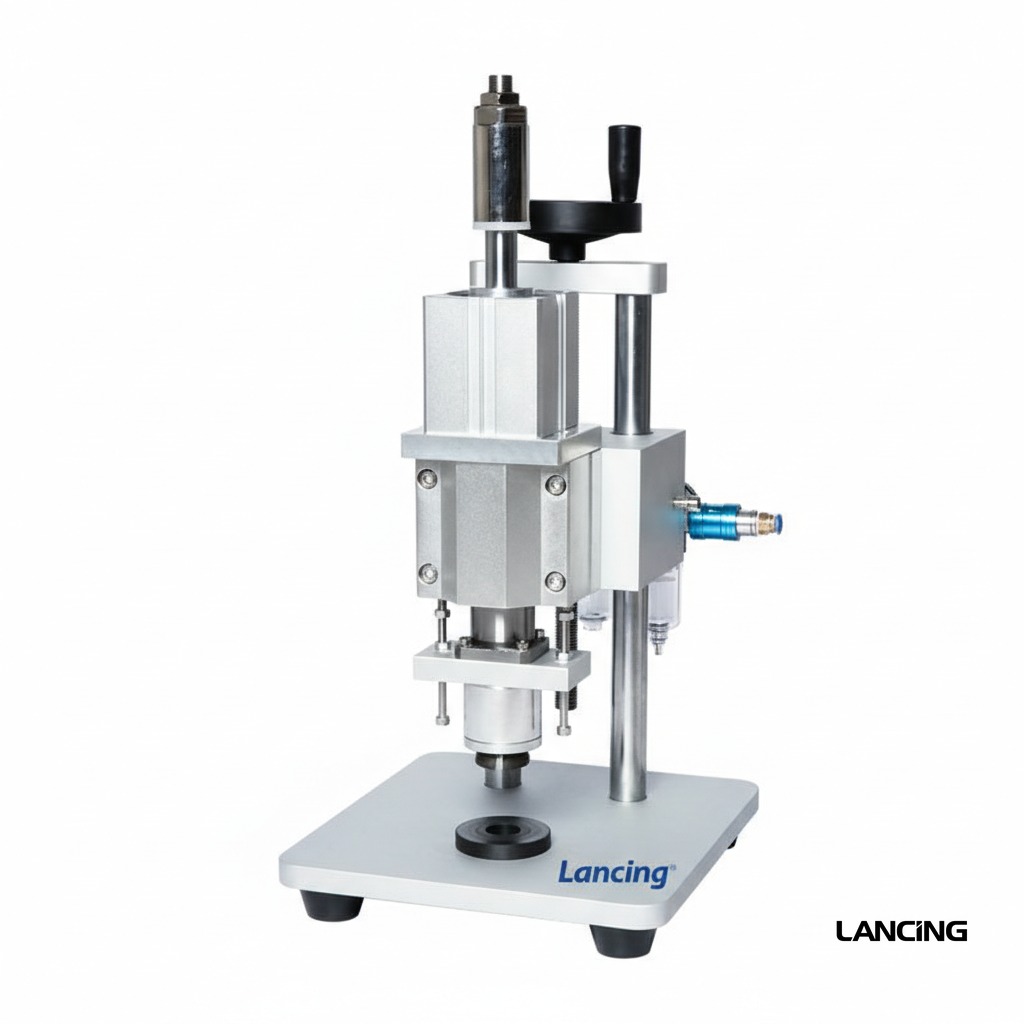
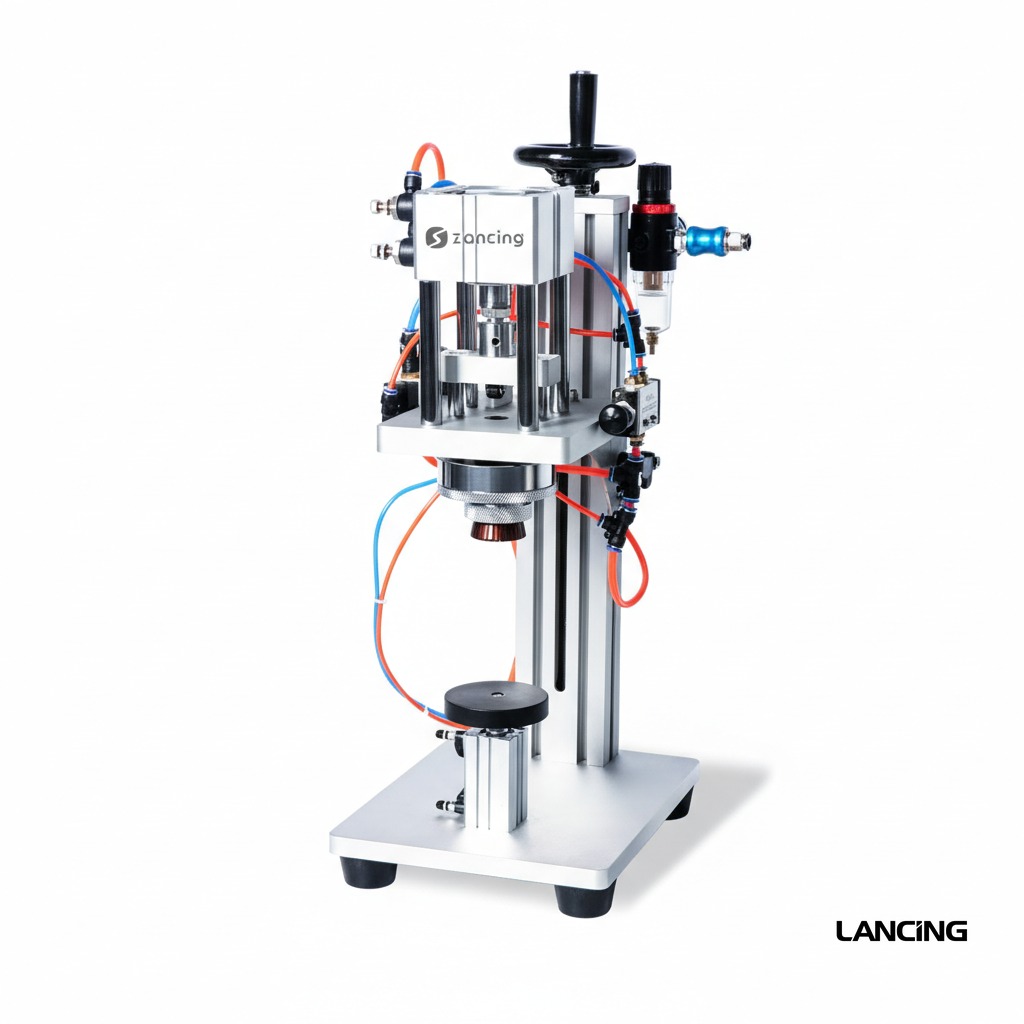
Browse capping machinery for screw caps, pumps, triggers, ROPP closures, crown caps, crimp caps, vacuum caps and specialist closures. We help you match the right capping setup to your neck finish, cap style and target throughput.
Choose a sub-category to view machines.
Browse capping machinery from Lancing UK, including screw, pump, trigger, ROPP, crimp, crown, T-cork and vacuum capping machines. UK supply and support.
The right capping machinery depends on more than just the cap style. Torque control, container stability, cap presentation, neck finish consistency and the way the cap must be applied all influence whether a line should use a simple semi-automatic capper, a servo-driven automatic system or a machine with a bowl feeder and full in-line controls.
This category covers the main capping routes used across packaging lines in food, beverage, chemical, household, personal care and contract packing environments. Compare screw capping, trigger capping, pump capping, vacuum capping, ROPP systems, crown cappers, crimp capping and T-cork machines according to the closure you need to apply and the line speed you need to achieve.
If a capper will sit after a filling machine, also plan for cap feeding, infeed timing, reject handling, labelling position and operator access. Lancing UK can help specify a capping machine that fits the container, closure and wider production line properly.
Cap style, torque requirement, neck finish, container stability and whether automatic cap feeding is required.
Cappers often need cap feeders, conveyors and change parts to keep throughput stable across multiple pack sizes.
Lancing UK can support machine specification, installation, commissioning and long-term aftercare.
These are some of the questions buyers normally ask when comparing options in this category.
They use different cap handling and tightening methods, so the correct capping system depends on the closure geometry and the required torque control.
At higher outputs or where manual loading slows the line, a bowl feeder or cap feeder usually makes the capping process more stable.
Yes. Capping machinery is commonly integrated with fillers, conveyors, labellers and reject systems as part of a complete line.
Applications & planning
Use these pages to move from the machine family into the relevant application, planning guide or service route.
Bottle lines where closure control and label presentation both matter.
Jar routes for screw, lug or specialist closure formats.
Compare capper routes around closure type, torque and changeovers.
Support for getting the capper running reliably in production.
Compare the main machine families before you commit to a narrower route.
Move from general research into a stronger shortlist and enquiry.
Routes
Use these pages when the closure family, bottle route, changeover pattern or wider line plan still needs comparison.
An application page focused on specialist bottle closures.
A bottle-route page for trigger and pump-cap projects.
Closure data often decides the capping route.
Useful where several closure formats are in scope.
A service route when closure families or cap tooling are changing.
Helpful when throughput and flexibility are being balanced.
Planning guides
Use these guides to compare closure-driven cost, timing and quotation scope before you choose the capper route.
Budget for the full route instead of comparing headline machine prices alone.
Understand how closure type, cap feeding and torque control change the budget.
See what affects timing from first brief through FAT, delivery and commissioning.
Check scope, assumptions, exclusions and support before you choose.
Use product behaviour, pack format, fill accuracy and output to shortlist the right filling route.
Compare closure type, torque control, cap feed and changeover needs before you shortlist.