Bottle Filling, Capping & Labelling Machinery
Planning bottle filling, capping and labelling machinery for liquids, creams, powders or granules? Compare the main machine steps, pack-format issues and project questions.
Find the right route quickly
Browse the main packaging machinery families first, then move into the right machine type, sub-category or automation level for your product and output requirement.
Use the category pages to drill down to the right machine type, then contact us for pricing, advice and next steps.
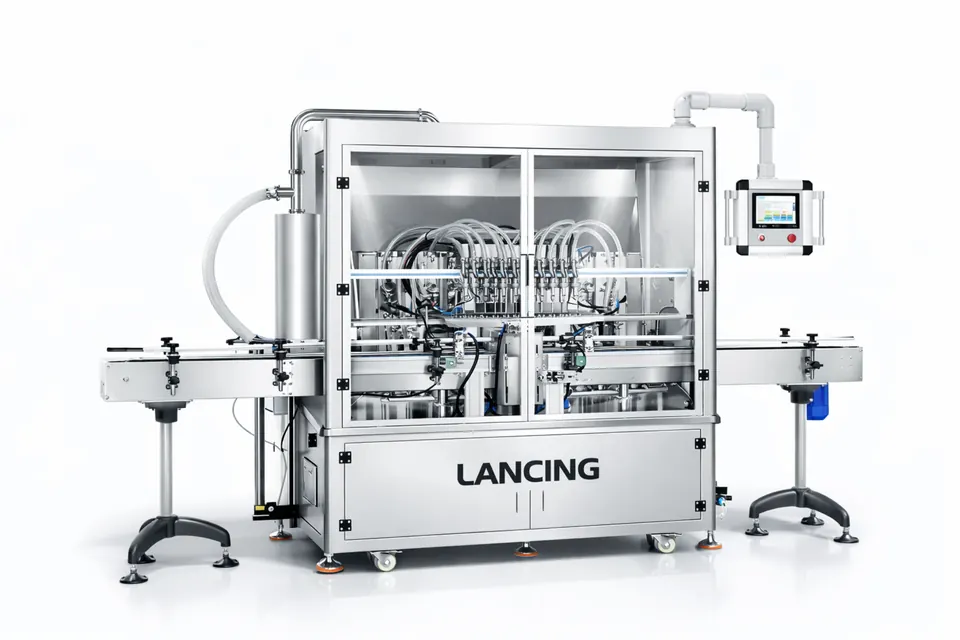
Filling machinery for liquids, pastes, powders, carbonated products, ATEX environments and sachet or VFFS applications.
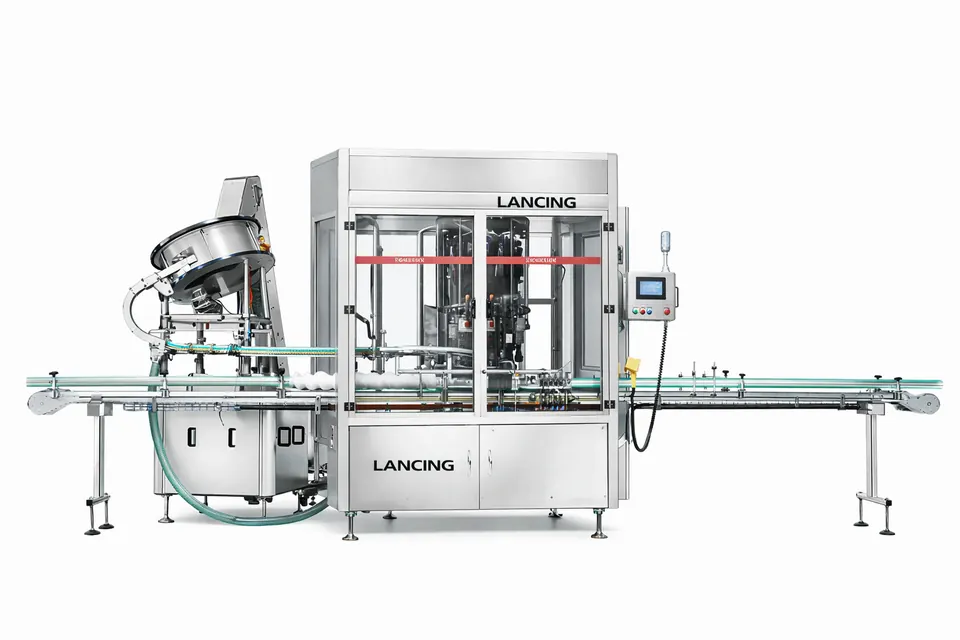
Capping machinery including screw, trigger, pump, ROPP, crimp and vacuum capping solutions.
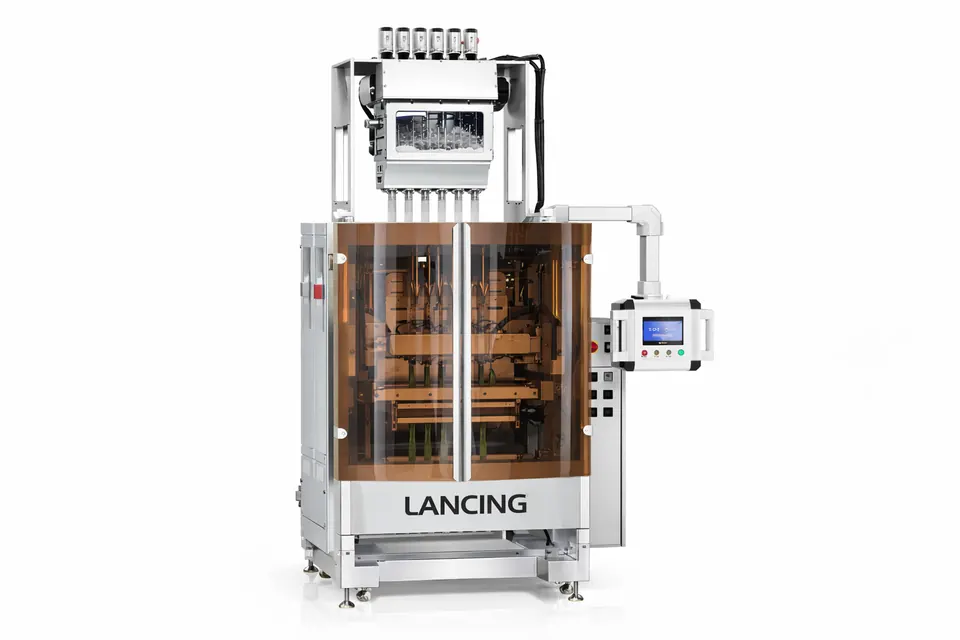
Combined filling and sealing solutions (integrated systems and complete lines).
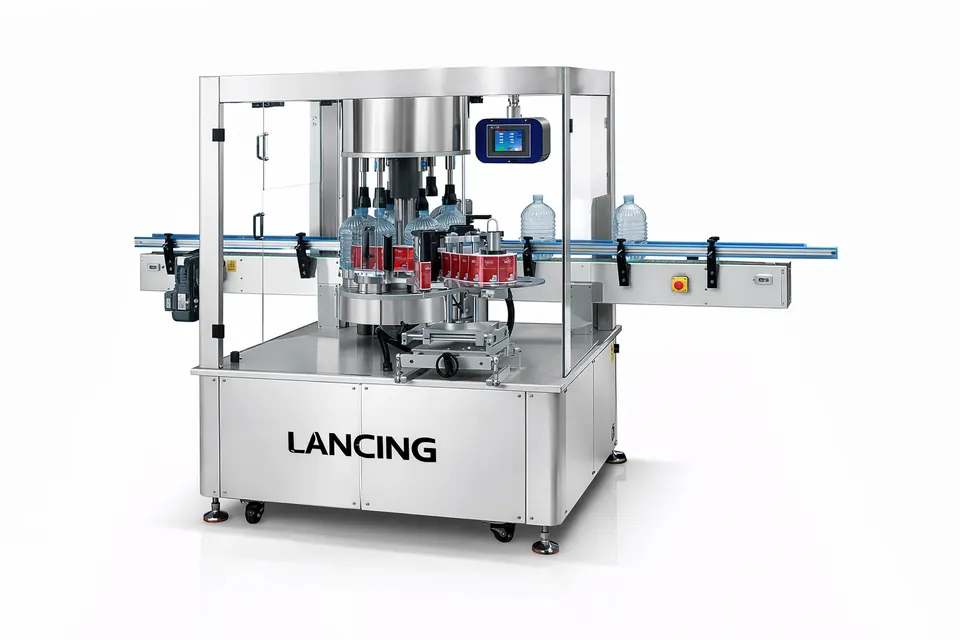
Labelling machinery for round, flat and shaped containers, including print and apply, sleeve and label applicators.
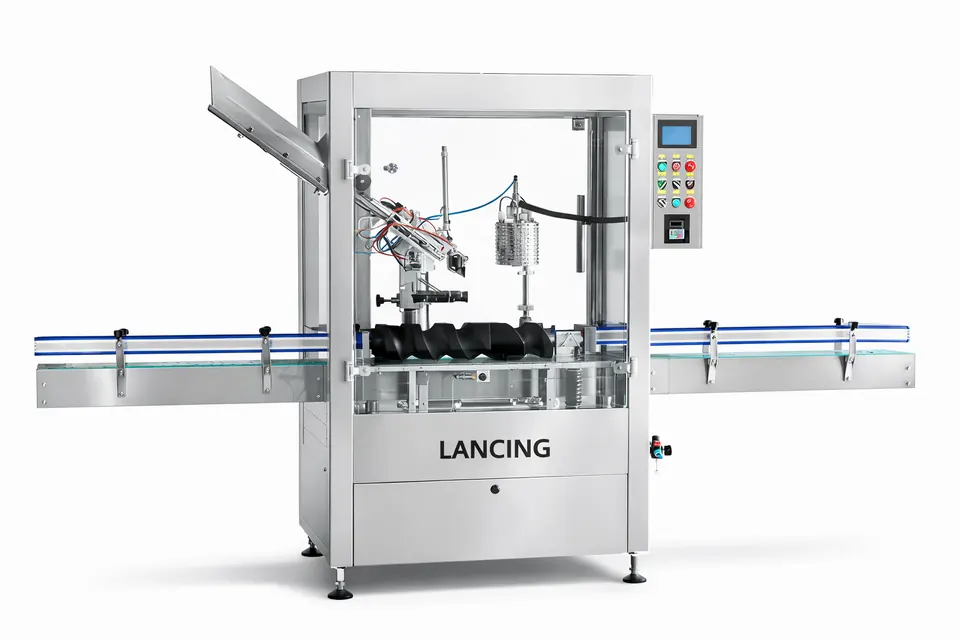
Shrinkwrapping machinery including chamber sealers, L sealers, sleeve sealers, heat tunnels and flow wrappers.
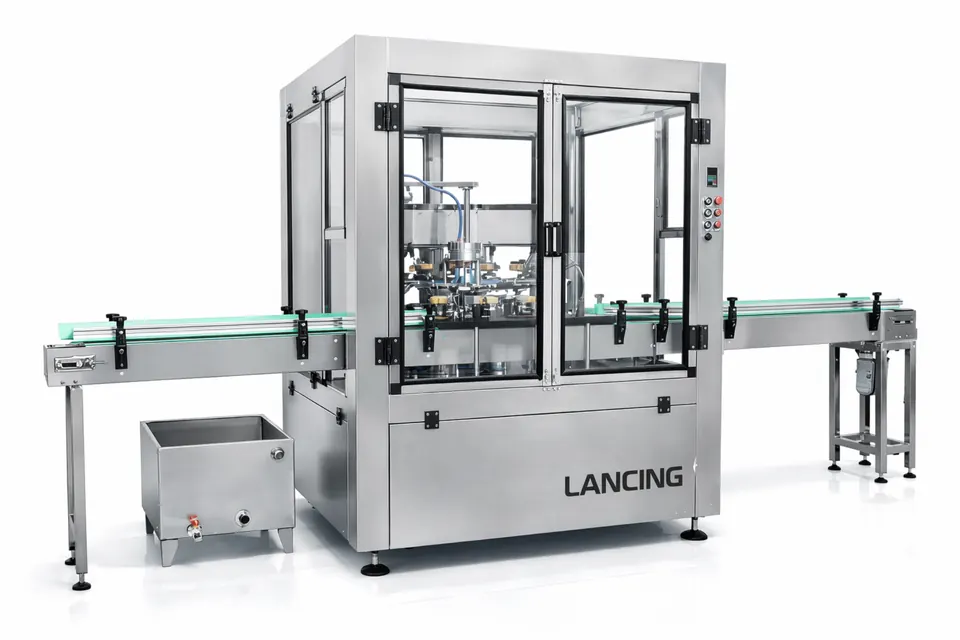
Rinsing and feeding machinery including bottle rinsing, infeed systems, feeders, unscrambling and cap feeding.
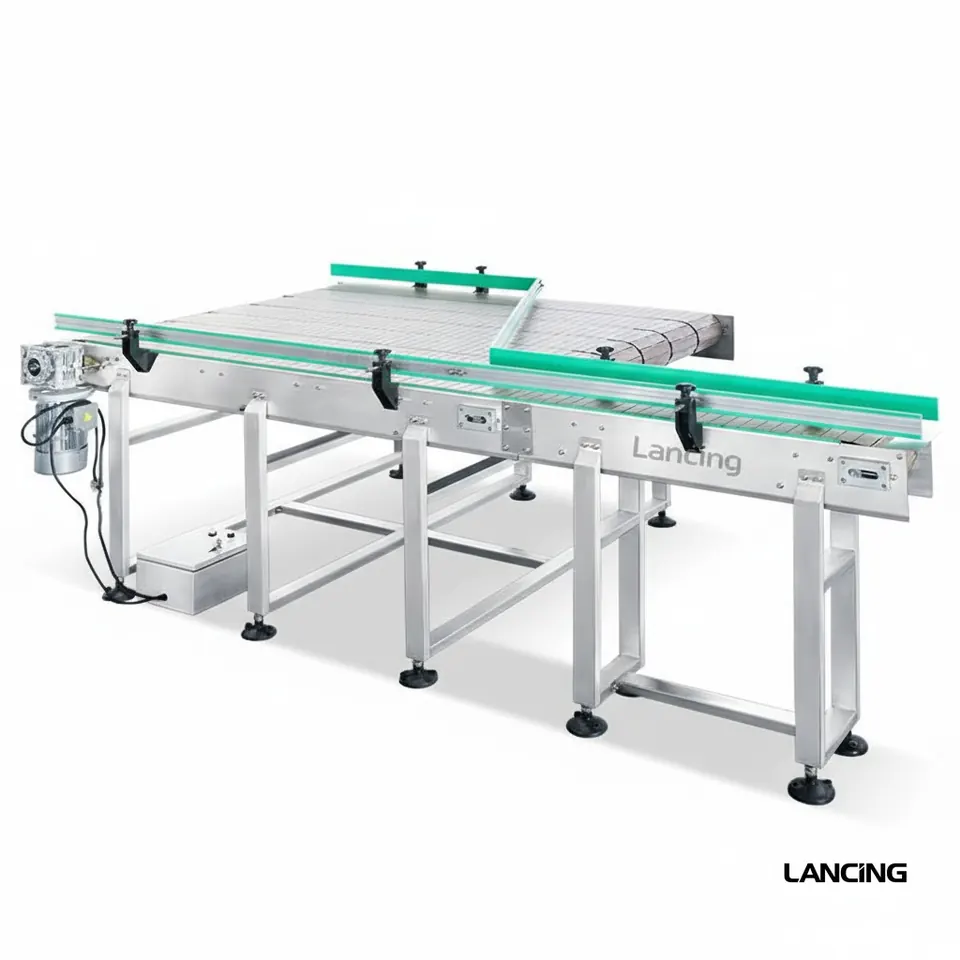
Conveyors and accumulation systems including belt, slatted, curved, infeed, incline and rotary outfeed conveyors plus coding integration.
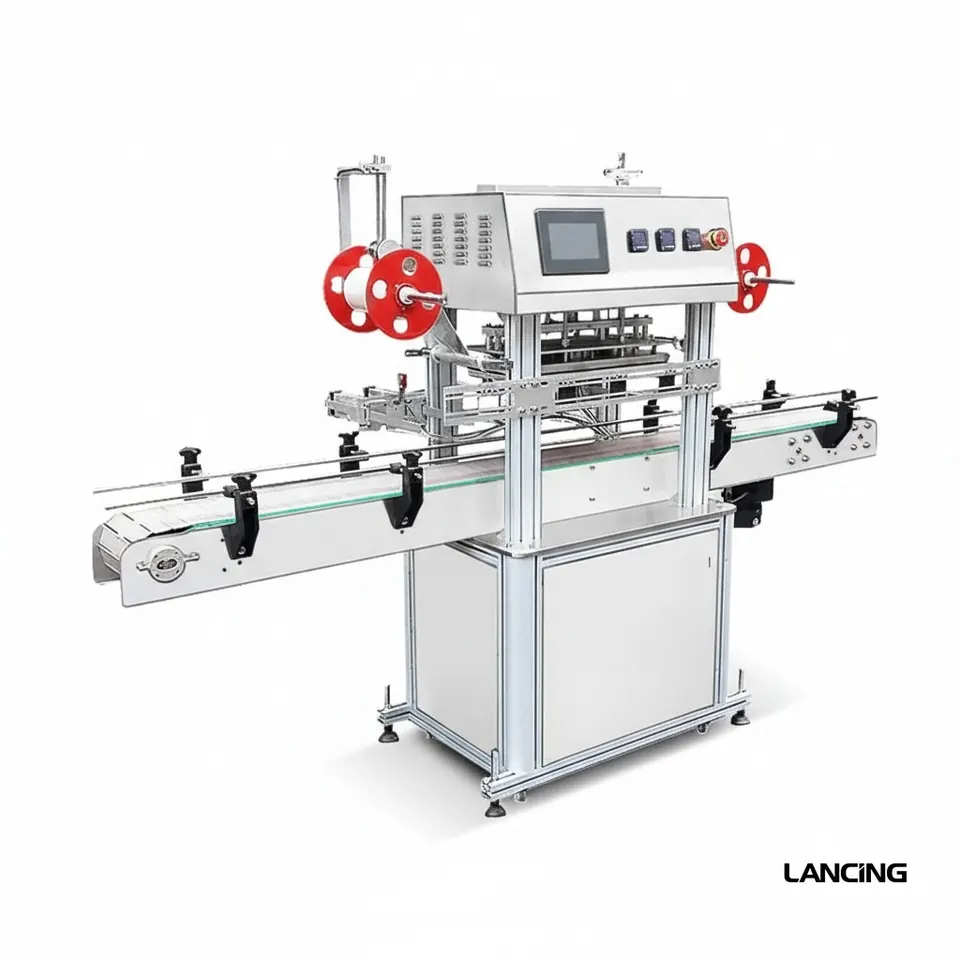
Sealing and packing equipment including case tapers, induction sealing, foil sealing, band sealers, skin and blister packing, blow moulding and cartonizing.
Call the team or send an enquiry with your product, pack format and throughput target.
This page helps you move from the main machine families into the right category, sub-category or automation route for your project.
Start with the main machine family, then narrow the shortlist by process step, pack format, product behaviour and output target. Each category page leads you into the most relevant sub-categories and machine groups.
If you already know the production step you need to improve, start with the machinery family. If you are still comparing options, the guide pages below can help you prepare a clearer shortlist before you contact Lancing UK.
If the main challenge is the product sector rather than the machine type, use these pages to compare the right considerations before you enquire.
Applications
If the container or pouch style is the main unknown, move into these application pages before drilling down into the machine families.
Planning bottle filling, capping and labelling machinery for liquids, creams, powders or granules? Compare the main machine steps, pack-format issues and project questions.
Planning jar filling, capping and labelling machinery for foods, powders, creams or specialist products? Compare the machine route, closure choices and layout planning points.
Compare pouch filling and sealing machinery for powders, granules, liquids and pastes, including premade pouch and bagging project considerations.
Planning filling and sealing machinery for tubs, pots or cups? Compare container handling, dosing, lidding and presentation requirements for these pack formats.
Compare powder and granule packaging machinery routes for jars, bottles, pouches and other containers, including dosing accuracy, dust control and product-flow considerations.
Planning filling and capping machinery for jerrycans, drums or larger containers? Compare product compatibility, fill control, container handling and support requirements.
Support
These pages explain the practical support that often matters around installation, integration, training and long-term uptime.
Packaging machinery installation and commissioning support from Lancing UK, helping new equipment go into production cleanly, safely and with the right handover.
Packaging line integration support from Lancing UK for filling, capping, labelling, conveying and wider packaging-machine projects across the UK.
Servicing and maintenance support for packaging machinery from Lancing UK, helping production teams reduce avoidable downtime and keep equipment dependable.
Operator training and handover support from Lancing UK, helping teams run packaging machinery with more confidence, consistency and fewer avoidable stoppages.
Clarify footprint, interfaces, utilities and growth plans before installation.
Plan tooling, new formats and day-to-day changeovers more effectively.
Guides
Use these pages when the project needs more comparison work around filling principles, layout style, pack data, site readiness or changeover strategy.
Compare liquid filling machine routes for water-like products, oils, detergents and other liquids based on viscosity, foaming, accuracy, hygiene and throughput.
Compare powder filling machine routes including auger, weigh, cup and vibratory systems for jars, bags, pouches and tubs based on flow, dust, accuracy and output.
Compare peristaltic, piston and gear pump filling machines for liquids and pastes based on cleanliness, viscosity, accuracy, changeovers and pack format.
Compare inline and rotary packaging machinery layouts for filling, capping and labelling projects based on output, flexibility, footprint, changeovers and upgrade path.
A practical guide to specifying bottles, caps and labels for a new packaging line so filling, capping and labelling machinery can be shortlisted accurately.
A practical pre-installation checklist for packaging machinery covering space, access, utilities, staffing, training, materials flow and commissioning readiness.
A practical guide to reducing packaging-line changeover time by planning pack families, tooling, recipes, operator workflow, line layout and support routes.
Compare induction sealing, foil sealing and vacuum sealing routes for bottles, jars, tubs, pouches and other packs based on product, presentation and line design.
Use product behaviour, pack format, fill accuracy and output to shortlist the right filling route.
Routes
These supporting pages help narrow the shortlist by pack format and by product sector once the main machinery family is known.
Planning spray bottle filling, capping and labelling machinery for trigger, pump and spray-cap products? Compare bottle handling, filling, capping and label routes.
Planning vial and small-bottle packaging machinery? Compare dosing, capping, crimping and labelling routes for compact liquid, cosmetic and specialist-pack projects.
Compare trigger, pump and dropper capping machinery routes based on closure presentation, bottle stability, torque control, feeding and line integration.
Planning induction sealing and container-closing machinery for bottles, jars, tubs or other packs? Compare cap, seal and closing routes around the real pack format.
Packaging machinery planning for sauces, condiments, dressings and similar products, covering filling, capping, sealing, labelling and line integration.
Packaging machinery planning for oils, lubricants and chemical products, covering liquid filling, capping, jerrycans, drums, compatibility, safety and line integration.
Packaging machinery planning for home-care and cleaning products, covering liquid filling, trigger and pump capping, labelling, changeovers and line integration.
Packaging machinery planning for paints, coatings and adhesives, covering filling, container closing, handling, line layout, pack sizes and practical production needs.
Compare the main machine families before you commit to a narrower route.
Solutions
Use these pages when the project is wider than one machine family or when the line still needs a stronger commercial brief.
For projects where several machine families need to work together.
A bottle-led route covering filling, capping, labelling and handling.
A jar-led route for sauces, creams, pastes, powders and more.
A flexible-pack route linking filling, sealing and support pages.
Useful when one bottleneck is driving the whole project.
A guide for shaping a stronger enquiry before comparing models.
Commercial planning
Use these pages when the shortlist is taking shape and the next challenge is budgeting, timing, commercial comparison or project approval.
Budget for the full route instead of comparing headline machine prices alone.
See what affects timing from first brief through FAT, delivery and commissioning.
Check scope, assumptions, exclusions and support before you choose.
Prepare the questions that reduce commercial and technical risk early.
Follow the route from enquiry and shortlist through installation and handover.
Compare labour, throughput, waste, downtime and growth before you invest.