Typical considerations
Cap style, torque setting, container stability, cap feeding and output target.
Capping Machinery
Browse t-cork capping machines and compare the available options for this machine type. Compare options by closure type, torque control, feeder requirement and target line speed.
6 machines in this sub-category.
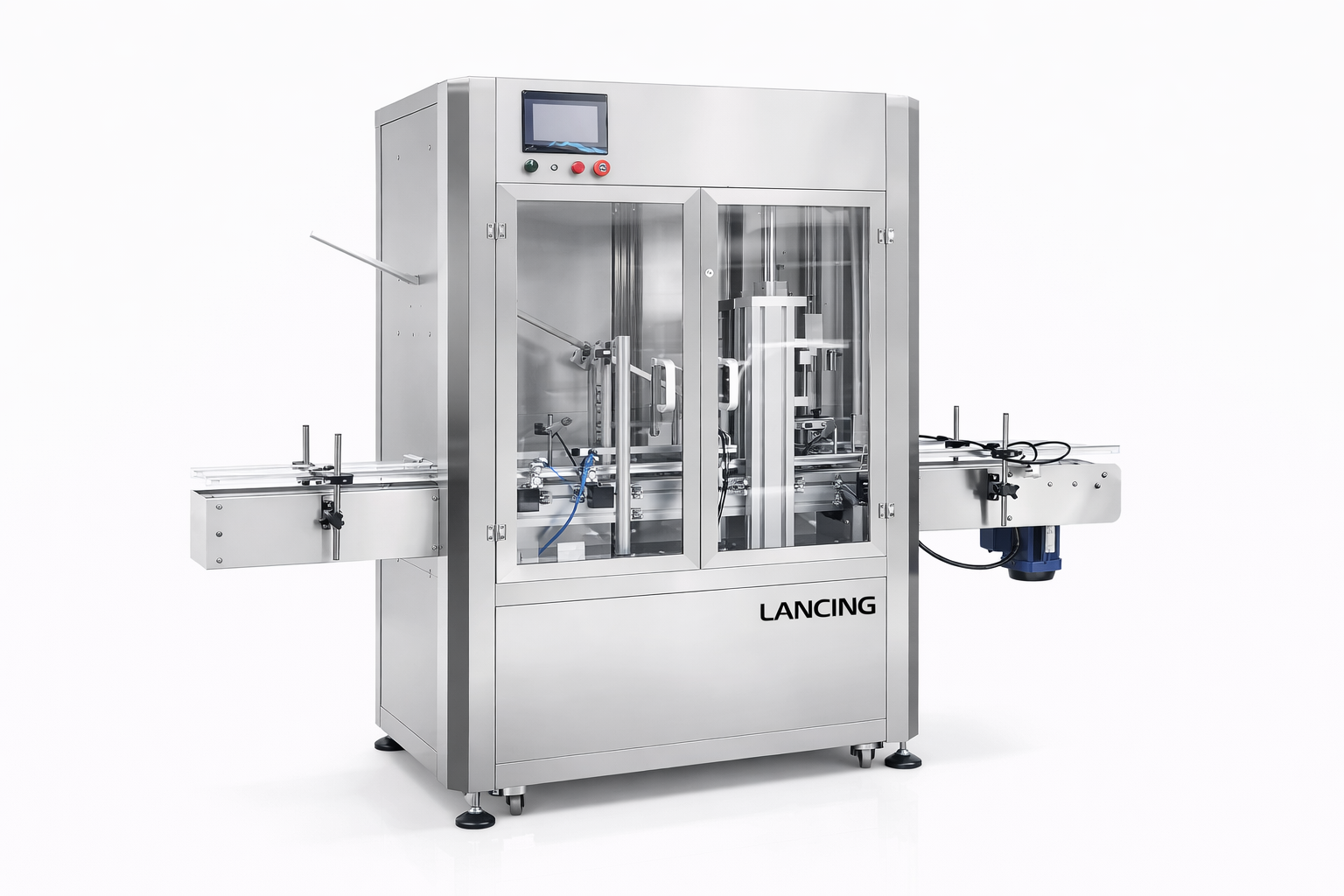 CAPPING
LU-XG16D is a fully automatic capping machine designed to feed and press corks with precision and speed. Equipped with a protective dust cover, it...
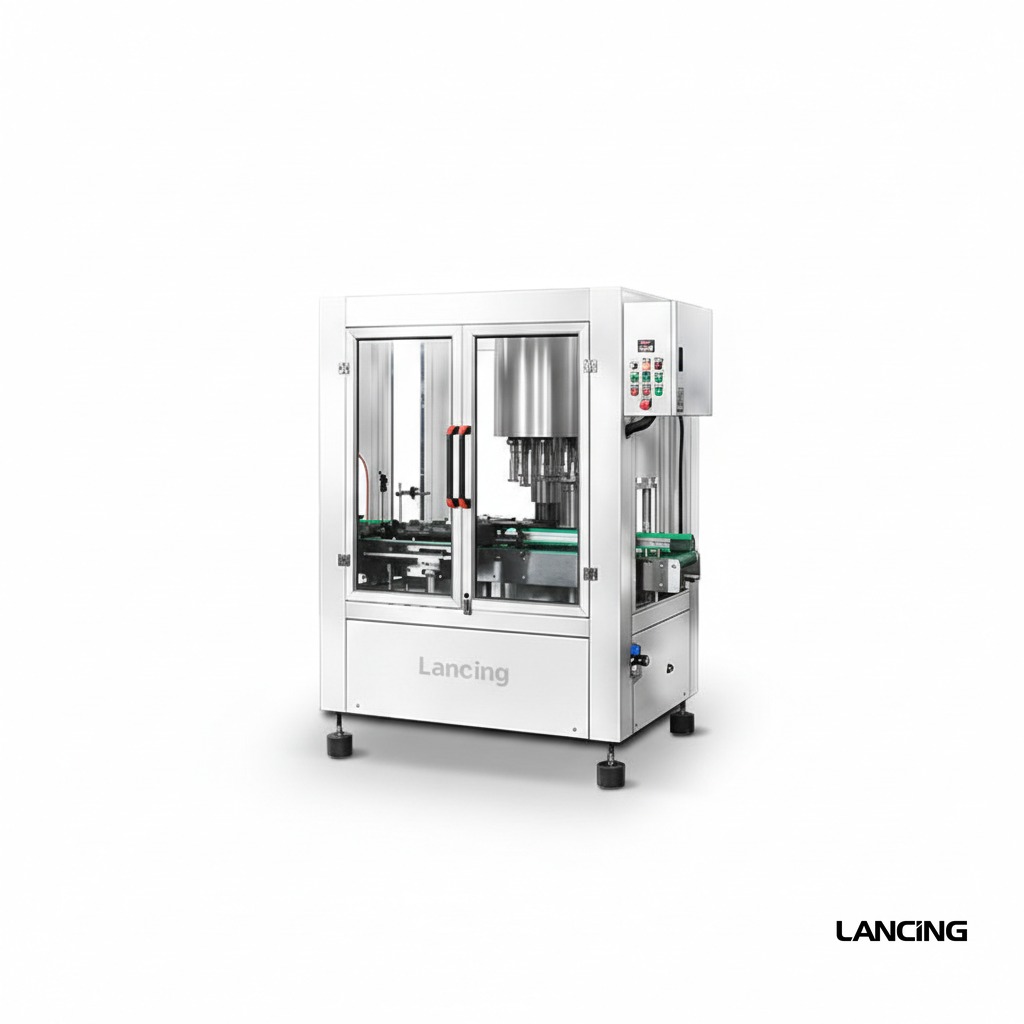 CAPPING
DESCRIPRION This high-performance automatic corking machine is designed to efficiently and accurately press corks onto glass bottles. With a...
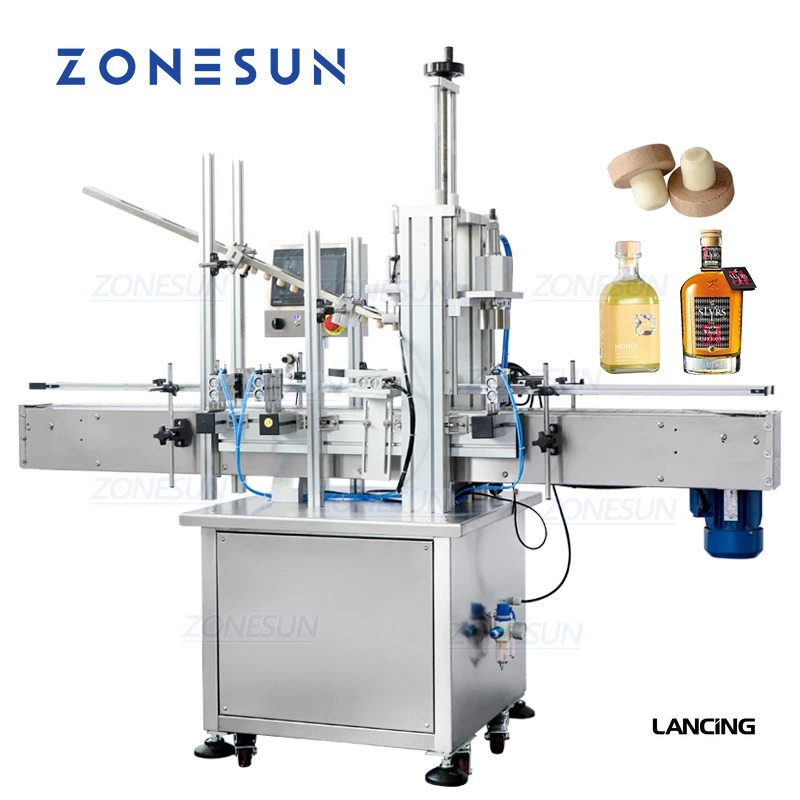 CAPPING
The Lancing UK LU-XG16D1 is a custom automatic capping machine designed specifically for pressing wooden corks into wine bottles and similar...
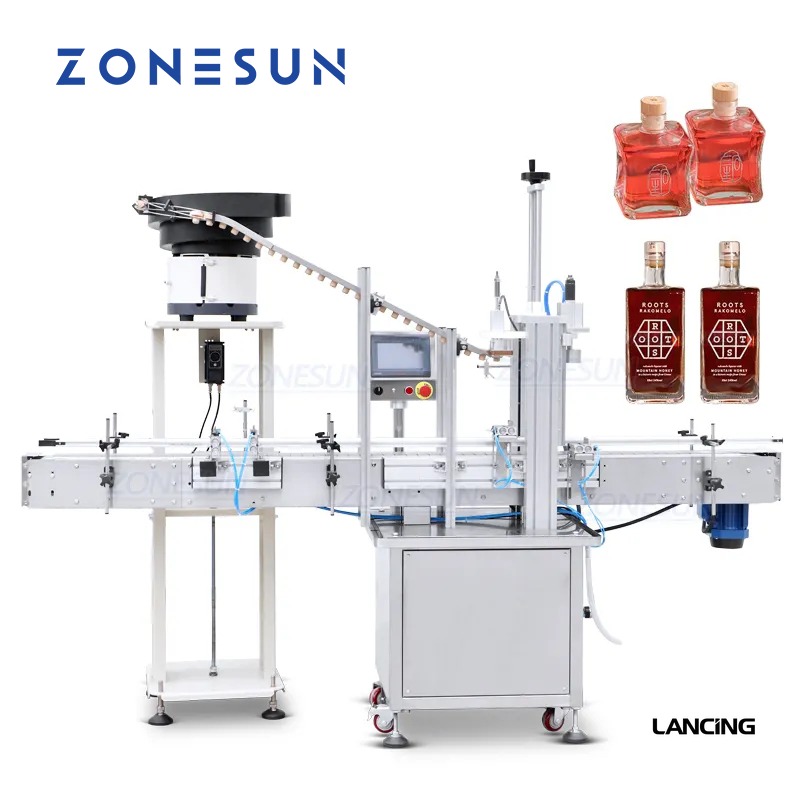 CAPPING
This bottle cap pressing machine is equipped with vibrating bowl sorter, which can make bottle caps be in order before capping work.It is suitable...
 CAPPING
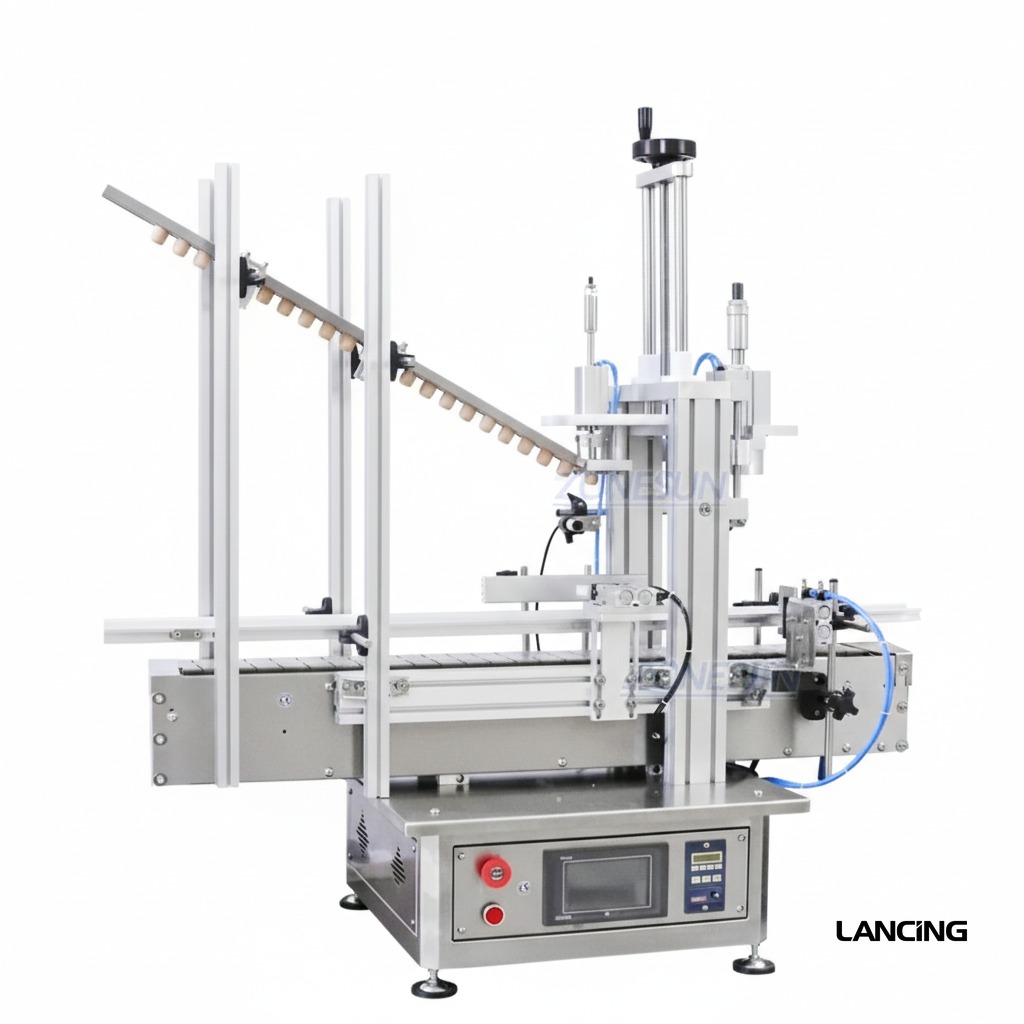
This compact pneumatic cork pressing machine features an automated cork feeder and customizable capping chuck, making it ideal for various bottle...
 CAPPING
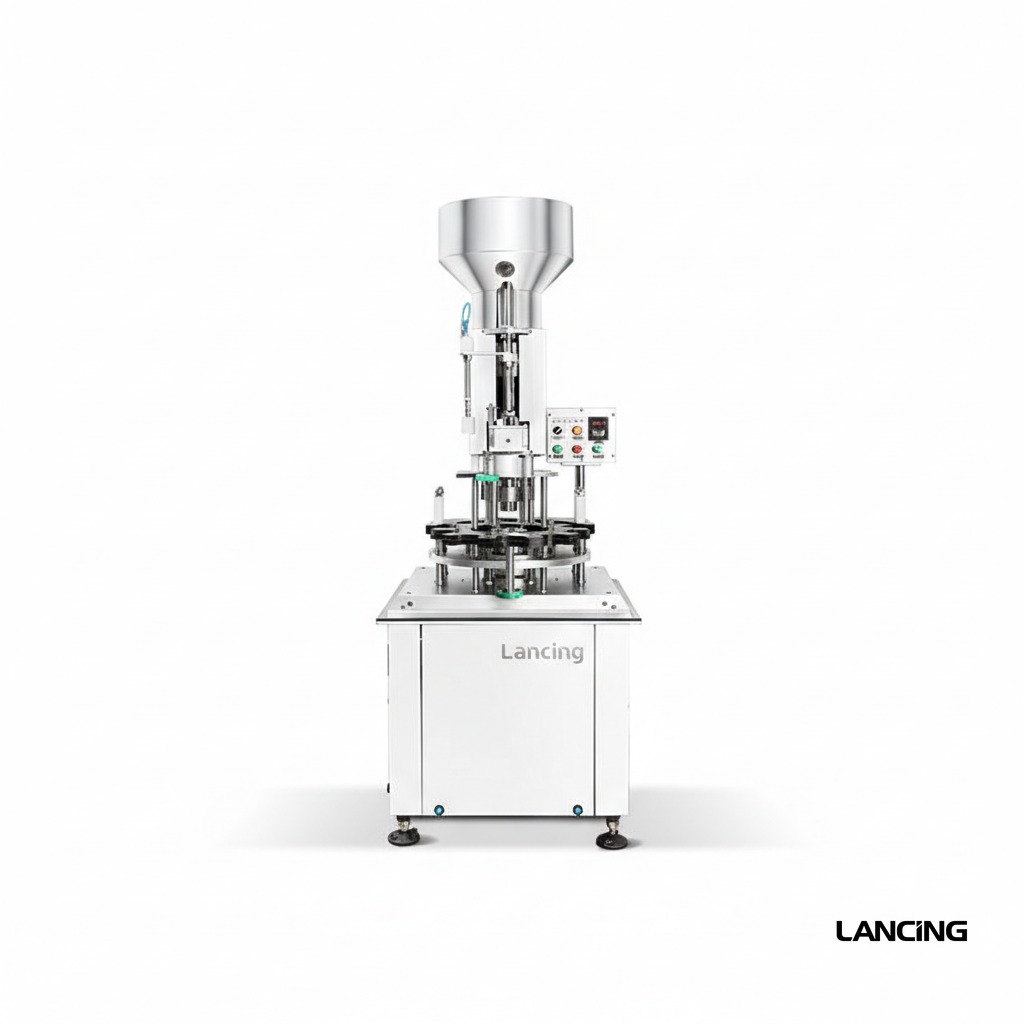
The Lancing UK LU‑DSJ2 Automatic Cork Feeding & Capping Machine is designed for efficient and reliable corking of wine bottles. It automatically...
Browse t-cork capping machines from Lancing UK. Compare available systems, get help matching the right machine to your product and output, and request specification support.
T-Cork Capping Machines are part of the broader capping machinery category. This page groups the available options so buyers can compare the machine type itself before moving into a specific model or series.
Container stability, cap presentation, neck finish consistency, torque and the need for bowl feeders or change parts all influence the correct capping route.
If you are comparing suppliers or preparing a commercial enquiry, it helps to treat this page as the machine-type hub: use it to identify the right route first, then move into the individual machine pages that best fit the application.
Cap style, torque setting, container stability, cap feeding and output target.
Capping equipment is commonly integrated between filling and labelling stages on a packaging line.
Share the container and closure details and we can help point you to the right capping setup.
These answers support research-stage users and strengthen the page's coverage for machine-selection queries.
Start with the closure type, container neck finish, torque requirement and whether automatic cap feeding is needed.
Yes. We can help scope capping machinery to sit after a filler and before labelling or other downstream stages.
That depends on output, operator workflow and the cap presentation method required by the machine.