What does Lancing UK supply?
Lancing UK supplies filling, capping, labelling, sealing, conveying and end-of-line packaging machinery, together with installation, spares and support.

Browse by machine family first, then move into the right sub-category and range.
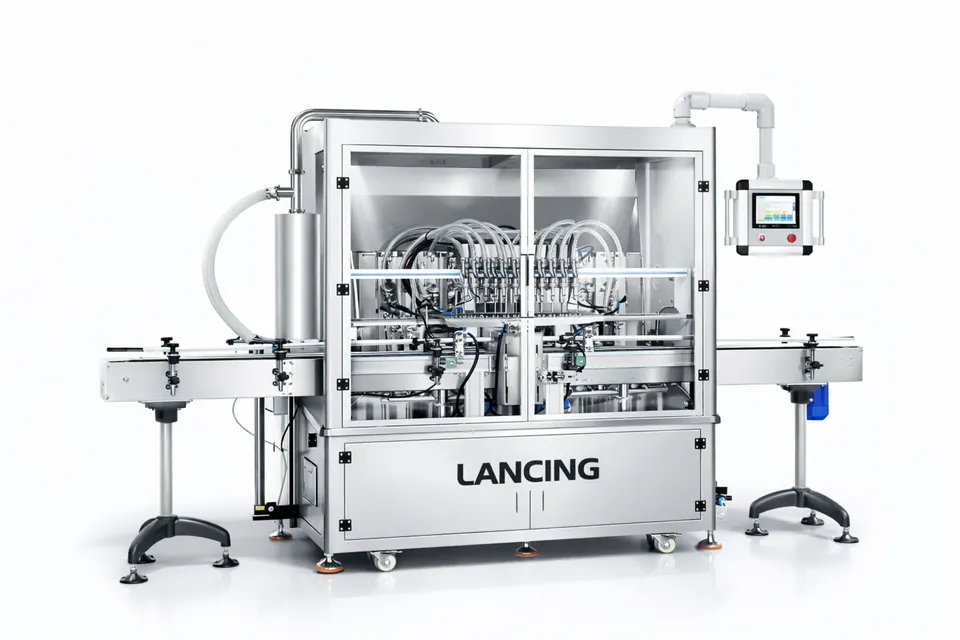
Filling machinery for liquids, pastes, powders, carbonated products, ATEX environments and sachet or VFFS applications.
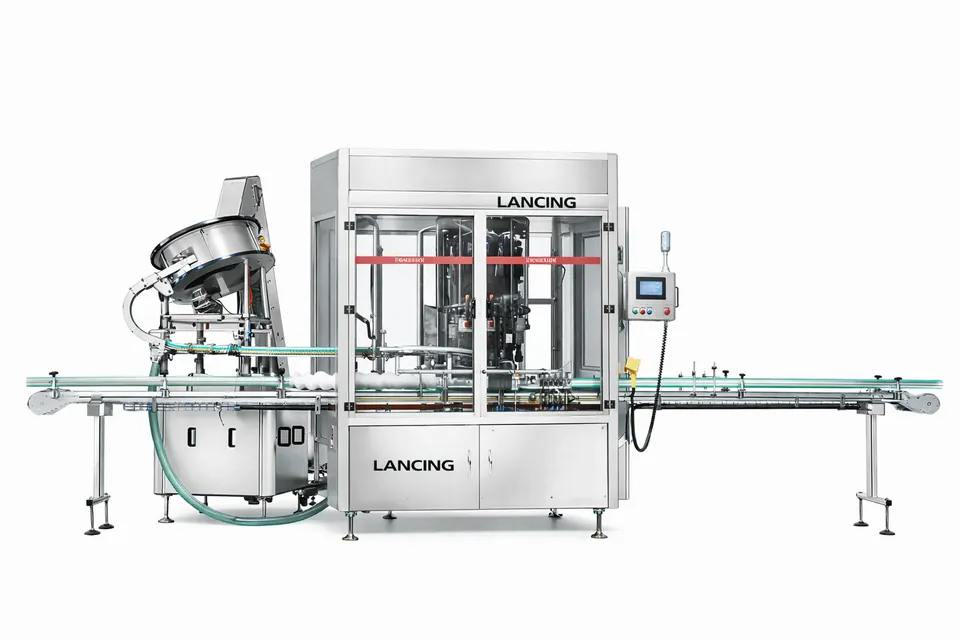
Capping machinery including screw, trigger, pump, ROPP, crimp and vacuum capping solutions.
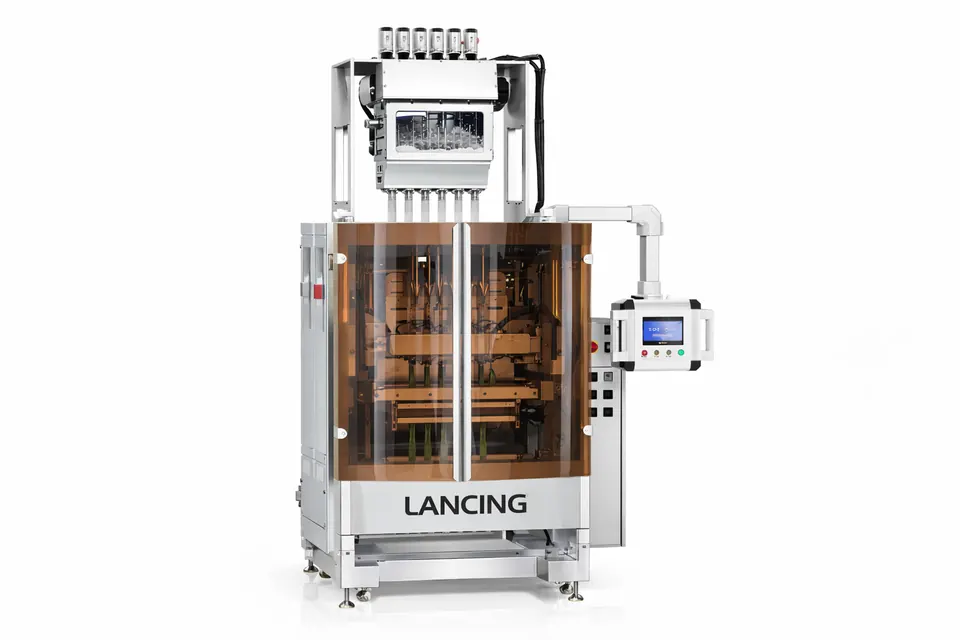
Combined filling and sealing solutions (integrated systems and complete lines).
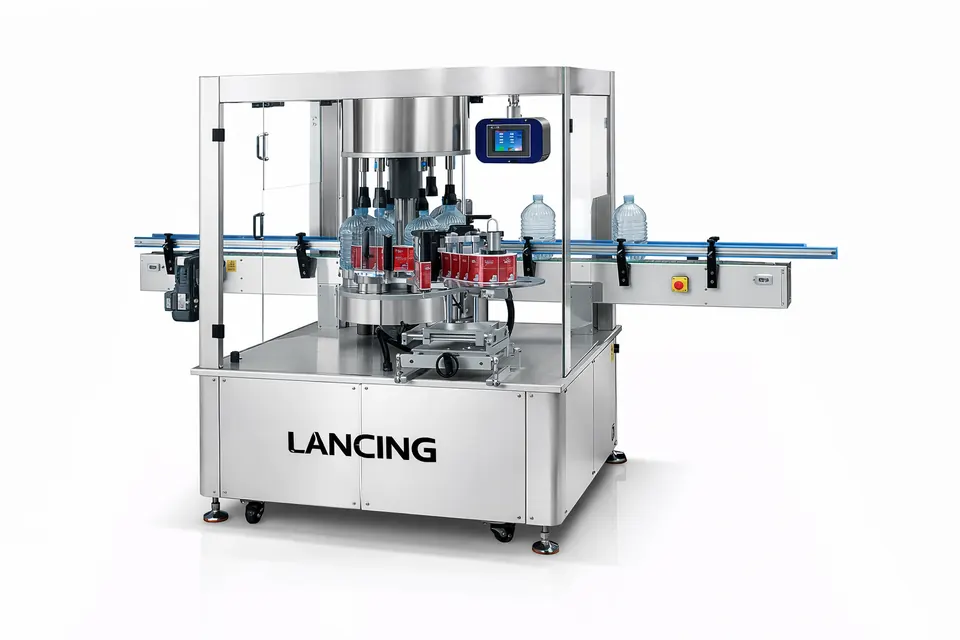
Labelling machinery for round, flat and shaped containers, including print and apply, sleeve and label applicators.
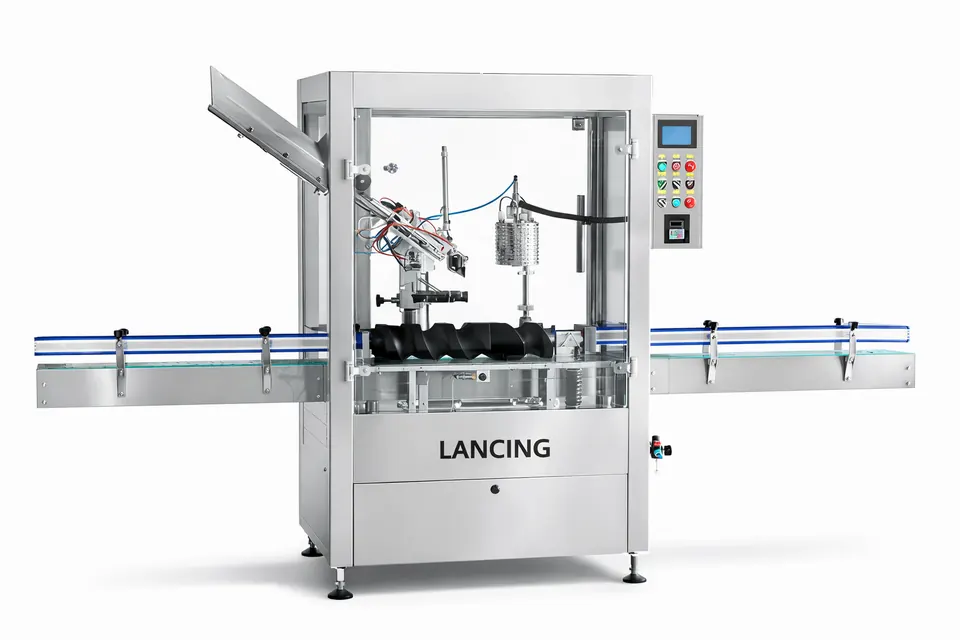
Shrinkwrapping machinery including chamber sealers, L sealers, sleeve sealers, heat tunnels and flow wrappers.
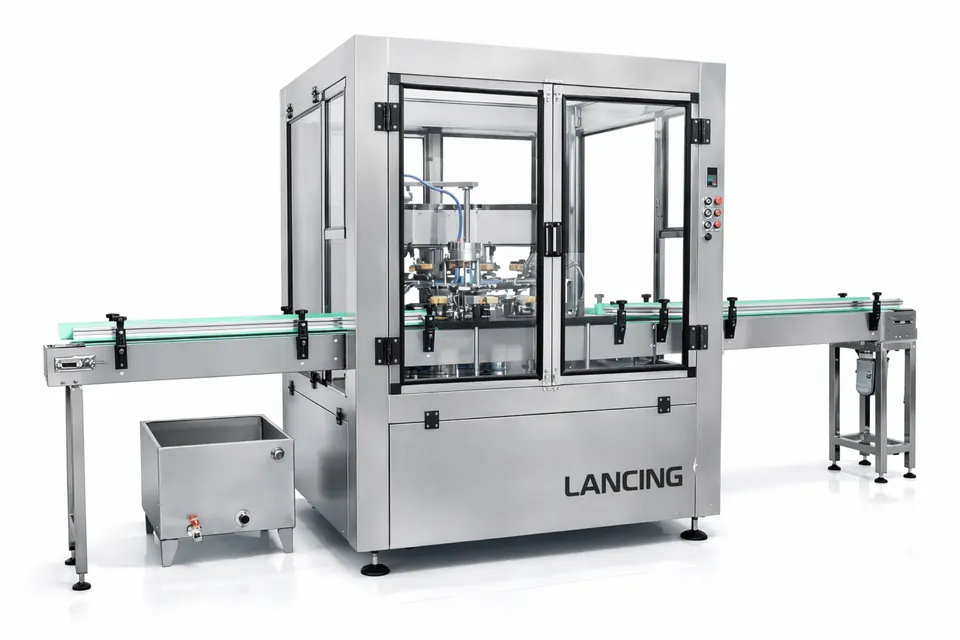
Rinsing and feeding machinery including bottle rinsing, infeed systems, feeders, unscrambling and cap feeding.
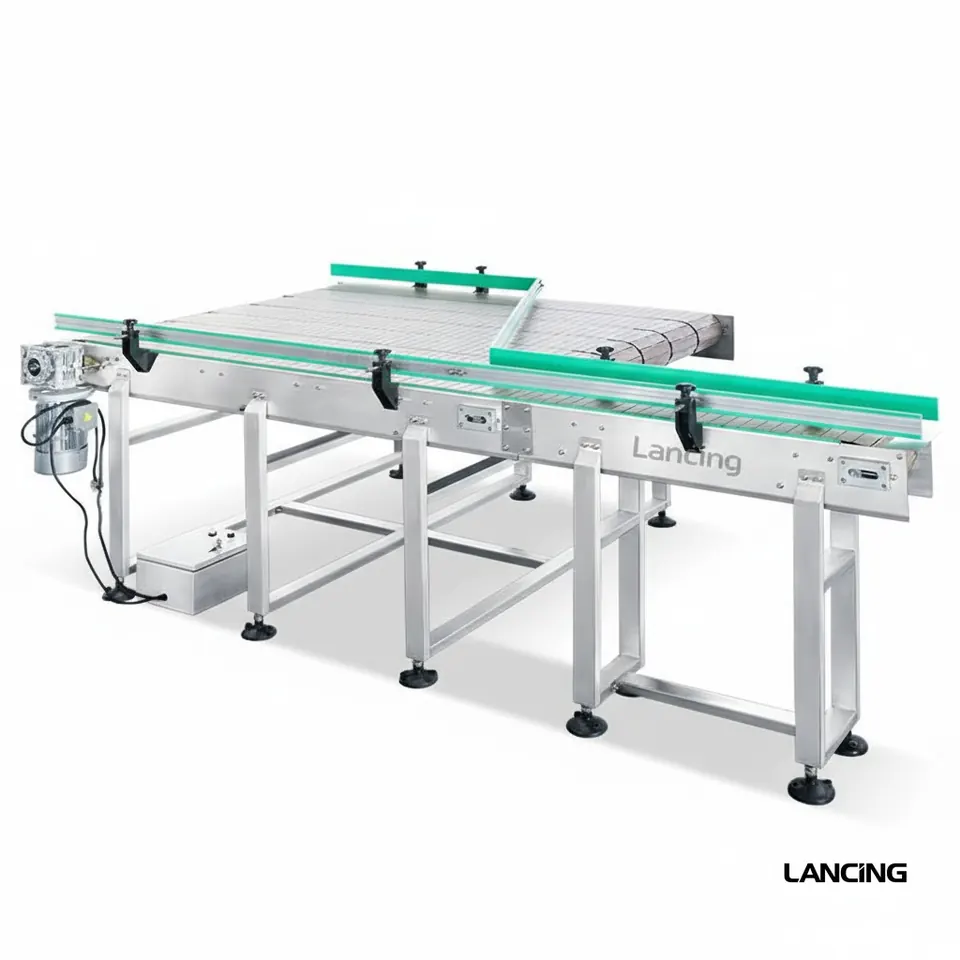
Conveyors and accumulation systems including belt, slatted, curved, infeed, incline and rotary outfeed conveyors plus coding integration.
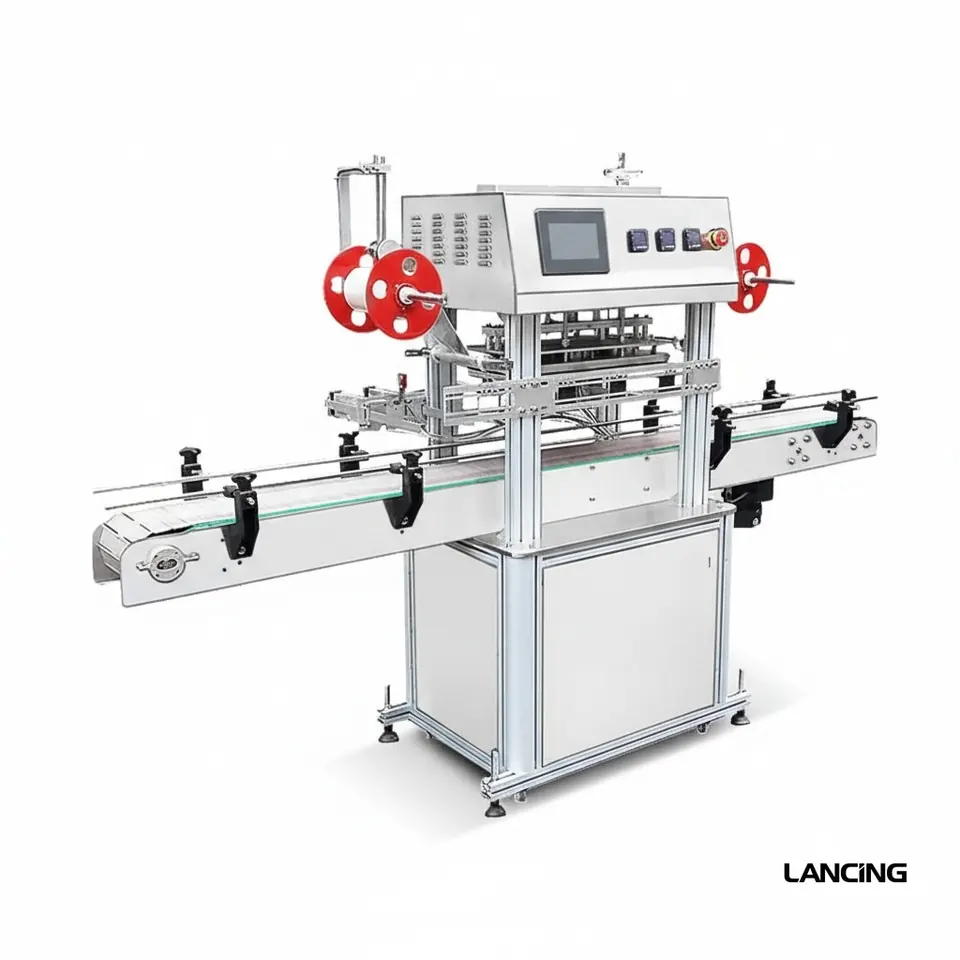
Sealing and packing equipment including case tapers, induction sealing, foil sealing, band sealers, skin and blister packing, blow moulding and cartonizing.
Pick the series that matches your output, space and budget, then enquire with the team for guidance.

Flexible semi-automatic machines for start-ups, small batches and fast changeovers.
Explore Semi Series ›
Space-saving systems that deliver professional results in a smaller footprint.
Explore Compact Series ›
High-throughput automatic lines engineered for industrial performance and reliability.
Explore Pro Series ›Straight answers to the questions customers ask before they call, enquire or book a demonstration.
Lancing UK supplies filling, capping, labelling, sealing, conveying and end-of-line packaging machinery, together with installation, spares and support.
The site is built for manufacturers, contract packers and operations teams looking for either single machines or complete packaging solutions.
Tell us your product, container, closure, throughput target and site constraints. We can then recommend the most suitable machine faster.
Yes. We can guide you to the most suitable filling, capping, labelling or sealing setup based on product behaviour, pack format and output.
Yes. We can support installation, commissioning and handover so the equipment is set up correctly and your team is ready to run it.
Yes. We can support you with spare parts, servicing and ongoing aftercare after the machine is supplied.
Packaging machinery supplier UK
Lancing UK helps buyers compare the right machine family, automation level and support route before they commit to a specification.
Lancing UK supplies packaging machinery across the main stages of a modern line: filling, capping, labelling, sealing, conveying, bottle handling and end-of-line support. That makes the site useful both for buyers comparing a packaging machinery supplier in the UK and for teams who already know the production step they need to improve.
A good shortlist usually starts with the product, pack format, closure, output target and the level of integration required. From there, the most relevant category, machine type and project scope become much clearer.
Liquid, paste, powder, sachet, vacuum, ATEX and weight-based filling systems.
Screw, pump, trigger, ROPP, crimp, crown, vacuum and specialist capping systems.
Round bottle, flat surface, wrap around, print and apply and label application systems.
Installation, commissioning, spares, service contracts and wider line integration support.
Induction sealing, heat sealing, shrink wrapping and end-of-line packing routes for finished packs.
Conveyors, accumulation, rinsing, feeding and bottle-handling support to connect each line stage.
Start with bottles, jars, pouches, tubs, powders or larger containers when pack format is the quickest way to narrow the shortlist.
Use product-specific requirements and sector context to compare machinery more realistically.
Different products create different filling, capping, labelling and line-integration challenges. Start with the sector if you want a quicker shortlist.
Planning around product flow, hygiene, container handling, throughput and changeovers.
Considerations for creams, gels, lotions, pumps, triggers, labels and presentation quality.
Projects that need stable filling, compatible materials, closure control and practical line layout.
Projects where dosing consistency, container handling, labelling and documentation matter.
Use this route for dressings, sauces and more viscous food-product projects.
Useful where liquid handling, material compatibility and larger-container planning matter.
These guides support buyers researching machinery, preparing enquiries and comparing automation options.
How product behaviour, pack format, fill accuracy and output target shape the right filling machinery shortlist.
A practical comparison of semi automatic, compact and pro-range machinery by throughput, labour, budget and growth.
What to send with an enquiry so the advice and shortlist are based on the real production requirement.
A planning checklist for connecting filling, capping, labelling and conveying equipment into a working line.
Compare closure type, torque control, cap feed and changeover needs before you shortlist.
Match container shape, label position, speed and accuracy with the right labelling route.
Applications
Use these pages when the bottle, jar, pouch, tub or larger-container route is the quickest way to narrow down the shortlist.
Planning bottle filling, capping and labelling machinery for liquids, creams, powders or granules? Compare the main machine steps, pack-format issues and project questions.
Planning jar filling, capping and labelling machinery for foods, powders, creams or specialist products? Compare the machine route, closure choices and layout planning points.
Compare pouch filling and sealing machinery for powders, granules, liquids and pastes, including premade pouch and bagging project considerations.
Planning filling and sealing machinery for tubs, pots or cups? Compare container handling, dosing, lidding and presentation requirements for these pack formats.
Compare powder and granule packaging machinery routes for jars, bottles, pouches and other containers, including dosing accuracy, dust control and product-flow considerations.
Planning filling and capping machinery for jerrycans, drums or larger containers? Compare product compatibility, fill control, container handling and support requirements.
Support
These service pages explain the support routes around installation, integration, training and maintenance.
Packaging machinery installation and commissioning support from Lancing UK, helping new equipment go into production cleanly, safely and with the right handover.
Packaging line integration support from Lancing UK for filling, capping, labelling, conveying and wider packaging-machine projects across the UK.
Servicing and maintenance support for packaging machinery from Lancing UK, helping production teams reduce avoidable downtime and keep equipment dependable.
Operator training and handover support from Lancing UK, helping teams run packaging machinery with more confidence, consistency and fewer avoidable stoppages.
Clarify footprint, interfaces, utilities and growth plans before installation.
Plan tooling, new formats and day-to-day changeovers more effectively.
These planning pages can help you approach the shortlist, supplier comparison and enquiry stage with better technical detail.
Guides
These additional guides go deeper into liquid filling, powder filling, filling-principle comparisons, line-layout choices, pack specification, installation readiness and changeover planning.
Compare liquid filling machine routes for water-like products, oils, detergents and other liquids based on viscosity, foaming, accuracy, hygiene and throughput.
Compare powder filling machine routes including auger, weigh, cup and vibratory systems for jars, bags, pouches and tubs based on flow, dust, accuracy and output.
Compare peristaltic, piston and gear pump filling machines for liquids and pastes based on cleanliness, viscosity, accuracy, changeovers and pack format.
Compare inline and rotary packaging machinery layouts for filling, capping and labelling projects based on output, flexibility, footprint, changeovers and upgrade path.
A practical guide to specifying bottles, caps and labels for a new packaging line so filling, capping and labelling machinery can be shortlisted accurately.
A practical pre-installation checklist for packaging machinery covering space, access, utilities, staffing, training, materials flow and commissioning readiness.
Industries
These extra sector pages focus on sauces, household liquids, oils, lubricants, chemicals, paints, coatings and adhesive-style projects where pack handling and product behaviour shape the shortlist.
Packaging machinery planning for sauces, condiments, dressings and similar products, covering filling, capping, sealing, labelling and line integration.
Packaging machinery planning for oils, lubricants and chemical products, covering liquid filling, capping, jerrycans, drums, compatibility, safety and line integration.
Packaging machinery planning for home-care and cleaning products, covering liquid filling, trigger and pump capping, labelling, changeovers and line integration.
Packaging machinery planning for paints, coatings and adhesives, covering filling, container closing, handling, line layout, pack sizes and practical production needs.
Plan around product flow, hygiene, throughput and changeovers in food and drink lines.
Useful for creams, gels, lotions, pumps, triggers and presentation-led packs.
A line review should identify which lost production or handling task the investment is meant to resolve. Use the existing process and intended finished pack to choose between a single-machine improvement, a connected upgrade and a complete new line.
Record the product, format and recurring loss at the affected station. Check that upstream supply and downstream capacity can support the proposed improvement. A new filler, capper or labeller should be assessed with the same pack and operating conditions as the retained equipment so the expected benefit has a credible basis.
Show conveyor heights, direction, pack spacing and the point where items become unstable, accumulate or require manual handling. Include stopped and restarting conditions. If otherwise capable machines cannot exchange packs reliably, integration work may be the critical part of the project specification.
Build a list of current and proposed bottles, jars, pouches or larger containers. Identify closures, labels, fill ranges and the expected batch sizes. Separate the formats required at launch from later options, then review change parts, adjustment, recipes and the time to return to accepted production.
For an existing machine, provide its identity, fault or symptom, alarm details and the production impact. Keep repair or spares requirements clear in the enquiry. For an upgrade project, agree installation, operator handover, records and aftercare scope alongside the machinery and interfaces.
These answers are aimed at visitors comparing routes before a formal shortlist or quote request is prepared.
Usually as soon as the product, pack family, output target and site constraints are described clearly enough to compare the right routes rather than a generic machine list.
All three can be useful. Machine-type pages help with equipment families, application pages help with pack formats and industry pages help with product-specific considerations.
Yes. The planning pages, guides and contact routes are designed to help narrow the shortlist before a final machine model is chosen.
Solutions
Choose the route that matches the pack format, existing equipment and production change you are planning.
A route for projects that need several machine families to work together.
A route for bottle and jar projects where liquid behaviour shapes the shortlist.
A bottle-led route covering filling, capping, labelling and handling.
A flexible-pack route for pouch and bag projects.
A route for bottlenecks, add-on stages and phased improvements.
A route for changeover-heavy, multi-SKU operations.
New guides
Use these guides to compare complete lines, retrofits and the information needed before a machinery quotation.
Turn the broad line idea into a stronger enquiry brief.
Compare bottle-led routes around the finished pack.
Use this where jar format and closure style matter.
Strengthen the brief for flexible-pack projects.
Decide whether to improve one stage or re-scope the wider line.
Useful where flexibility and changeovers drive the brief.
Commercial planning
These buyer guides help you budget more realistically, compare supplier quotations and plan the route from brief to handover.
Budget for the full route instead of comparing headline machine prices alone.
See what affects timing from first brief through FAT, delivery and commissioning.
Check scope, assumptions, exclusions and support before you choose.
Prepare the questions that reduce commercial and technical risk early.
Use product behaviour, pack format, fill accuracy and output to shortlist the right filling route.
Compare closure type, torque control, cap feed and changeover needs before you shortlist.
Start a packaging machinery comparison with one version of the production brief. List the products, pack drawings, closure or label details, required finished output and the site layout. Identify the formats needed at launch and those that are future options. This lets Lancing and your own team distinguish the equipment required now from additional change parts or stages that may be considered later.
Ask each proposal to explain the basis of its performance figures. State which product and packaging will be used for a trial, how conforming packs will be counted and what operator involvement is assumed. Include feeding, replenishment, changeovers and downstream handling when comparing the complete production arrangement. A short machine cycle and a sustainable finished-line output describe different parts of the decision.
Review the supply boundary alongside the price. Identify included format parts, controls, guards, installation, instruction, documentation and aftercare, plus the work retained by your site. HSE provides purchasing checklists for discussing equipment safety and responsibilities with suppliers. Use a shared list of open questions and agreed answers so the selected proposal has a clear route from specification to a practical acceptance test.
Give both suppliers the same product, pack range, output requirement and site information. Compare included equipment, change parts, installation, instruction and acceptance criteria as well as the quoted price.
Ask which product and packaging were considered, what counts as a conforming finished pack, the running period and required operator involvement. Confirm how that evidence relates to your planned batch and connected line.
Comparing machinery quotations Machinery requirements checklist
Start by identifying the production task and the product-and-pack combinations it must handle. Use the machinery categories to explore the relevant operation, then keep the selected equipment discussion linked to its upstream and downstream requirements. A useful project brief explains the result required at the end of the process.
Separate the proposed equipment from the services, interfaces and operating tasks needed to put it into production. Ask for responsibility for layout, installation, testing, training and later support to be identified in the proposal. Keep confirmed requirements distinct from assumptions that still need samples, drawings or site information.
As the project develops, retain one record connecting the current specification, the offered configuration and the evidence used to accept it. If the product, packaging or line arrangement changes, identify the affected decisions and checks. This helps the purchasing, operating and technical teams assess the same proposal rather than working from different versions of the requirement.
Use a common project boundary covering the required equipment and the work needed to reach accepted production. Keep different inclusions, responsibilities and unresolved assumptions visible in the comparison.
A machine may achieve an acceptable result on its own but lose output when it is starved, blocked or fed unstable packs. Record where rejected packs or stoppages first appear and what the neighbouring stations were doing. Improving a transfer can be a different project from replacing the process machine; compare both against the required finished output.
For each machine, collect its identity, current manuals, permitted pack range, working height, product path and available interface information. Record known condition issues and modifications. A physical gap in the layout does not demonstrate controls or safeguarding compatibility, so unknown connections should remain an engineering action rather than an assumed inclusion.
Include temporary manual work, change parts, commissioning interruption and the later cost of reconnecting a retained stage. State which output and quality constraints remain after each phase. This makes an incremental upgrade understandable without promising that every older machine can be integrated or that replacement will always be the lower-cost route.
Choose an accepted-output measure, a defined format and a repeatable operating period. Retain the original condition and the approved change record, then check whether the intended constraint improved and whether another stage became limiting. Explore complete line projects or layout and planning support for the appropriate scope.