Selection criteria
Container shape, label size and material, application position, print needs and expected line speed.
Products
Explore labelling machinery for round, flat and shaped containers, plus wrap around, print and apply, hot melt and label application systems. We help you match the right labelling machine to the container shape, label stock and placement requirement.
Choose a sub-category to view machines.
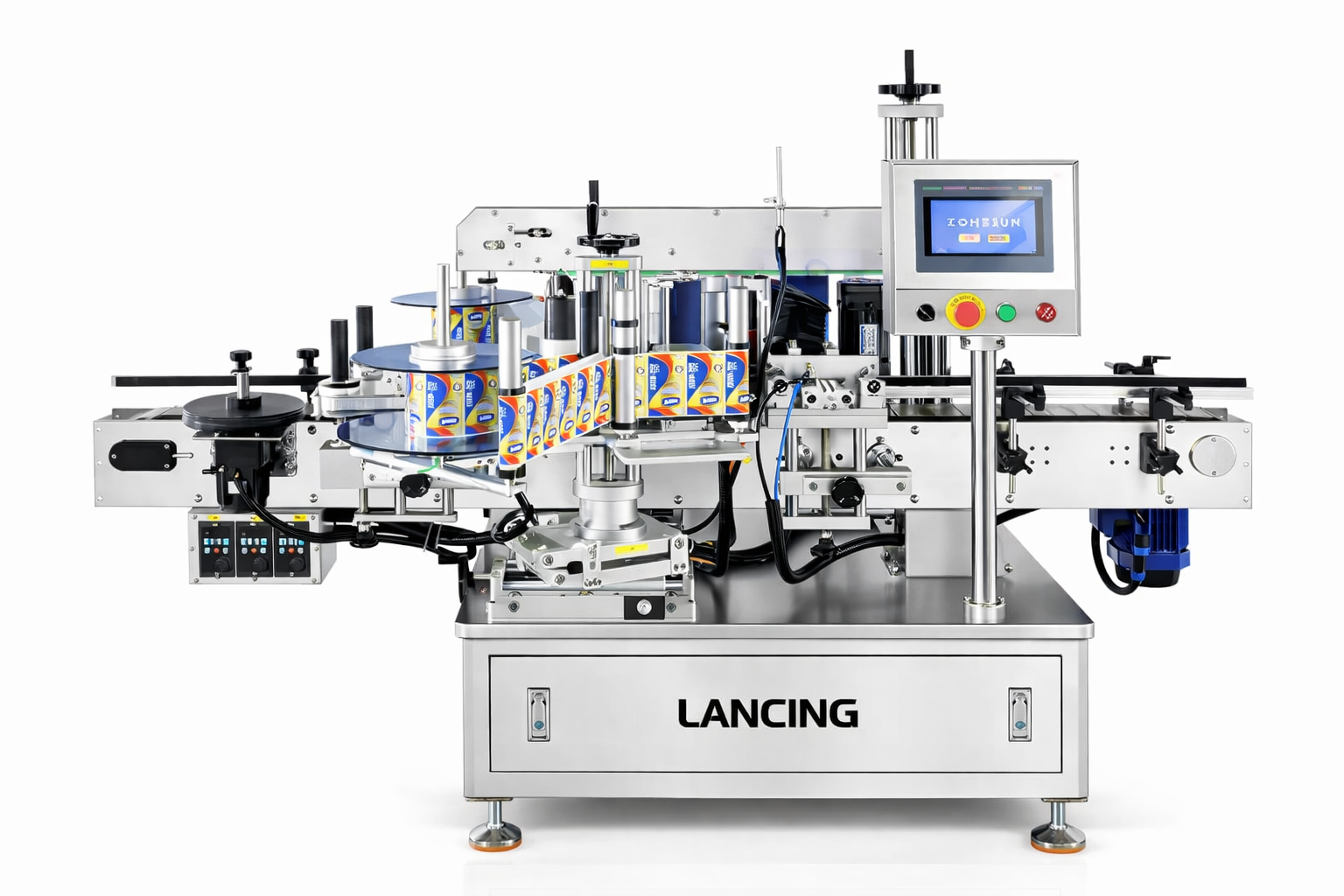 LABELLING
22 machines
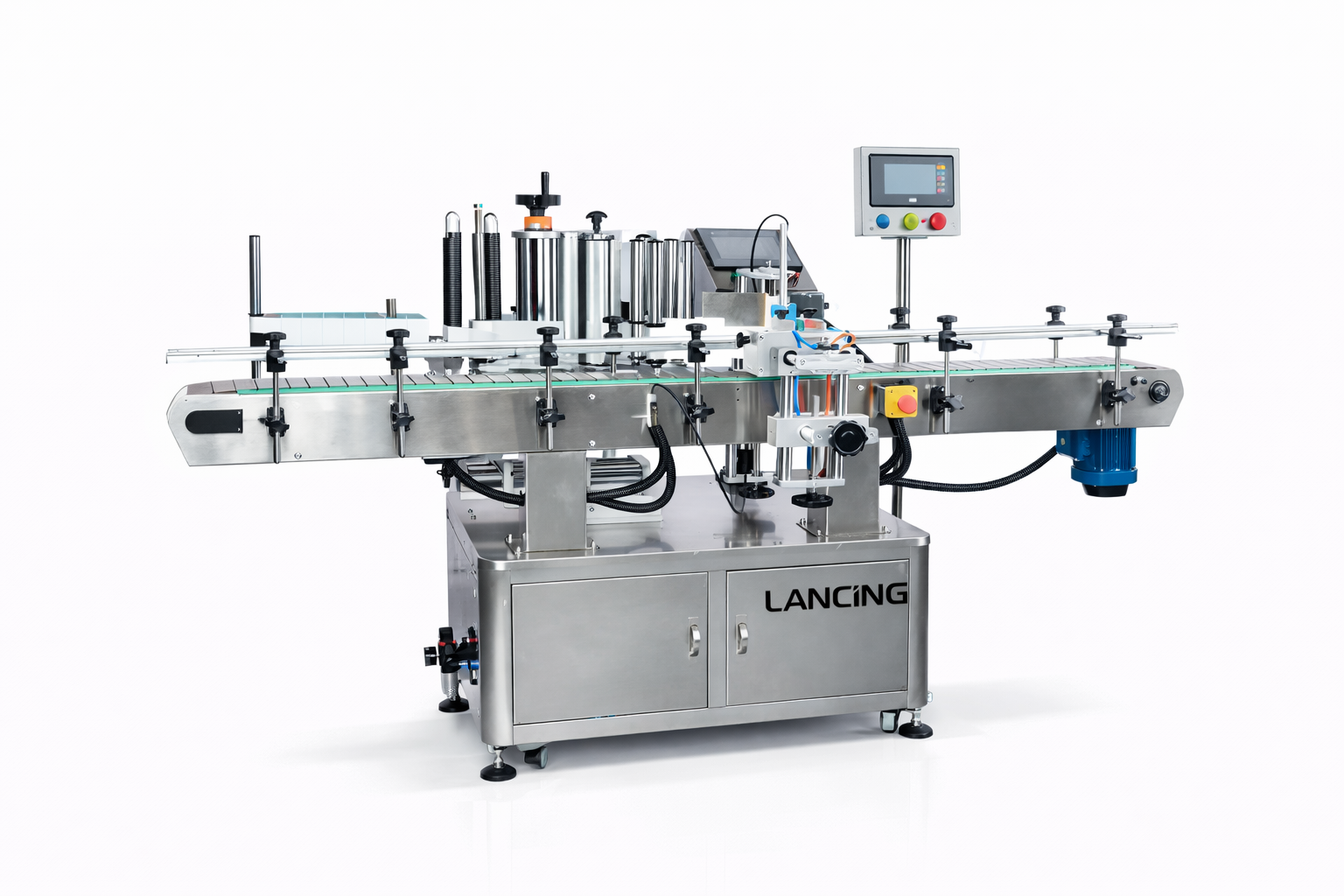 LABELLING
14 machines
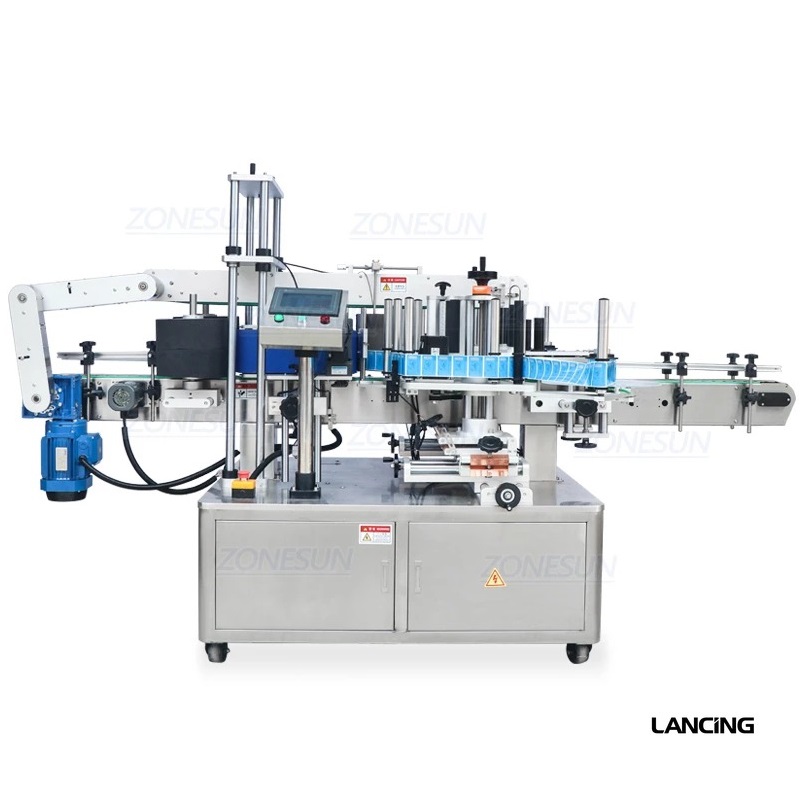 LABELLING
21 machines
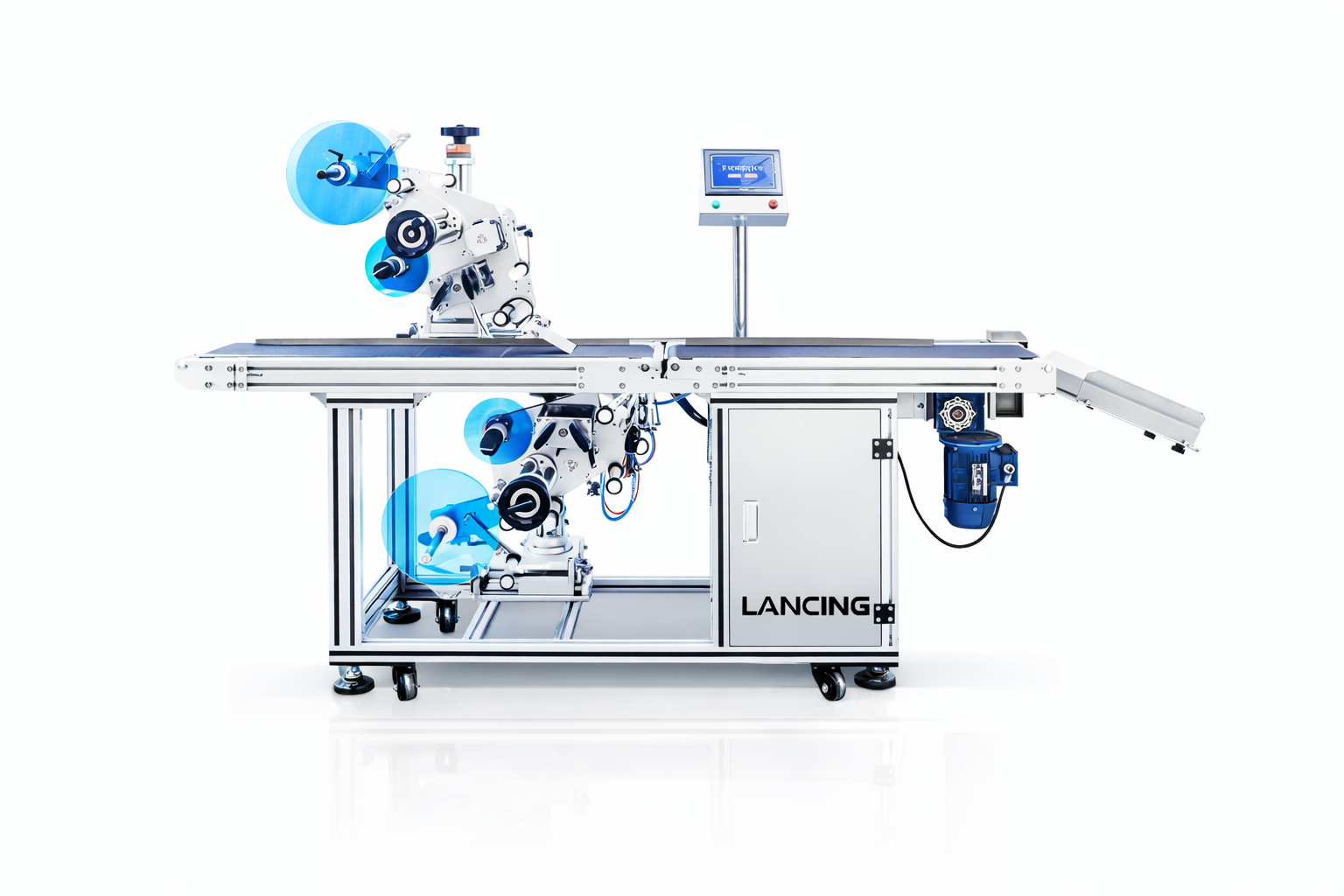 LABELLING
1 machine
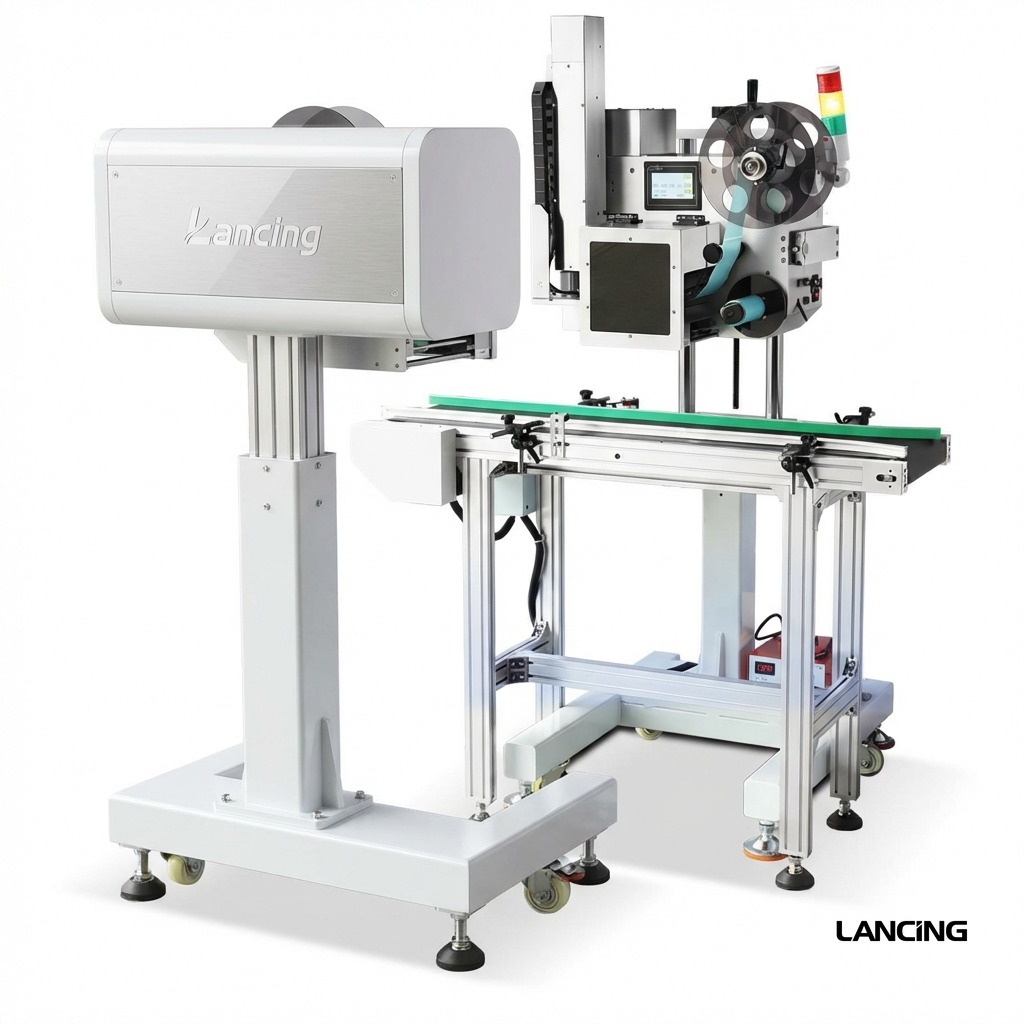 LABELLING
1 machine
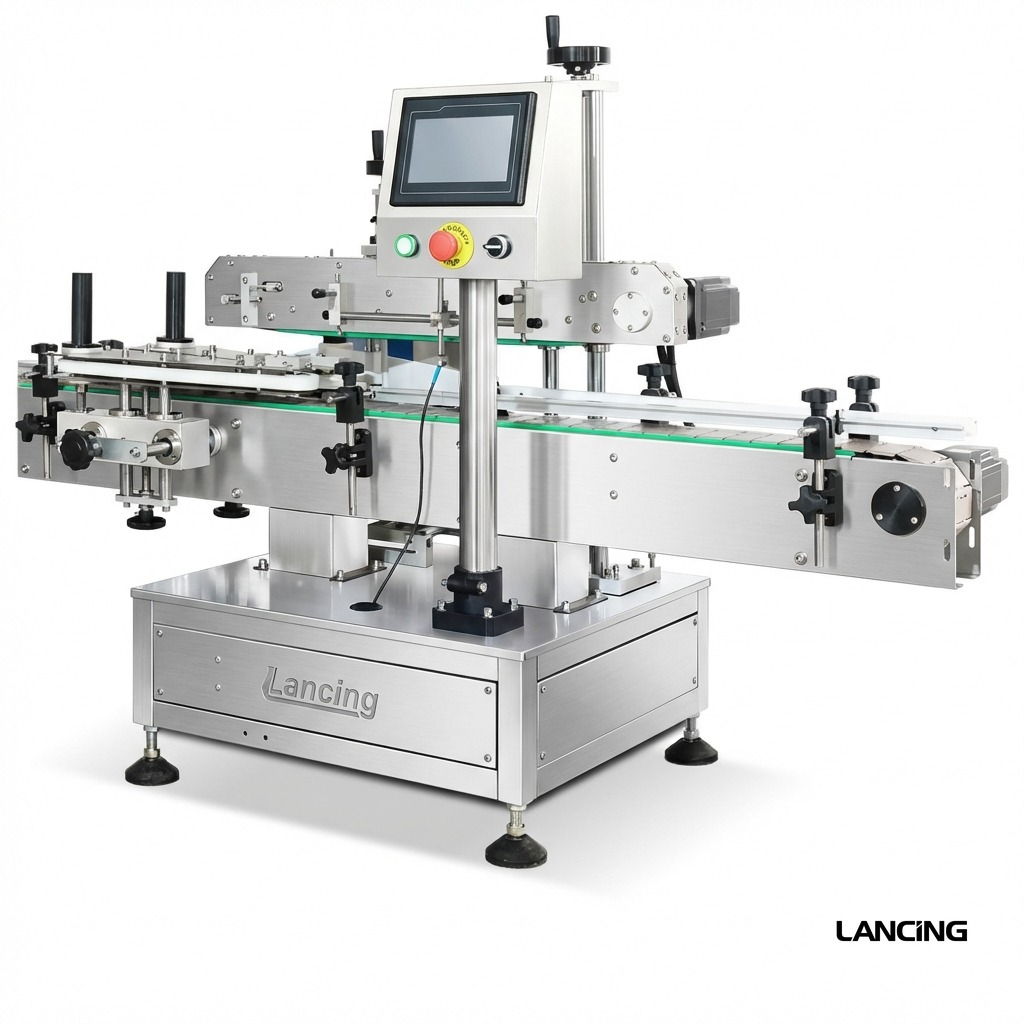 LABELLING
1 machine
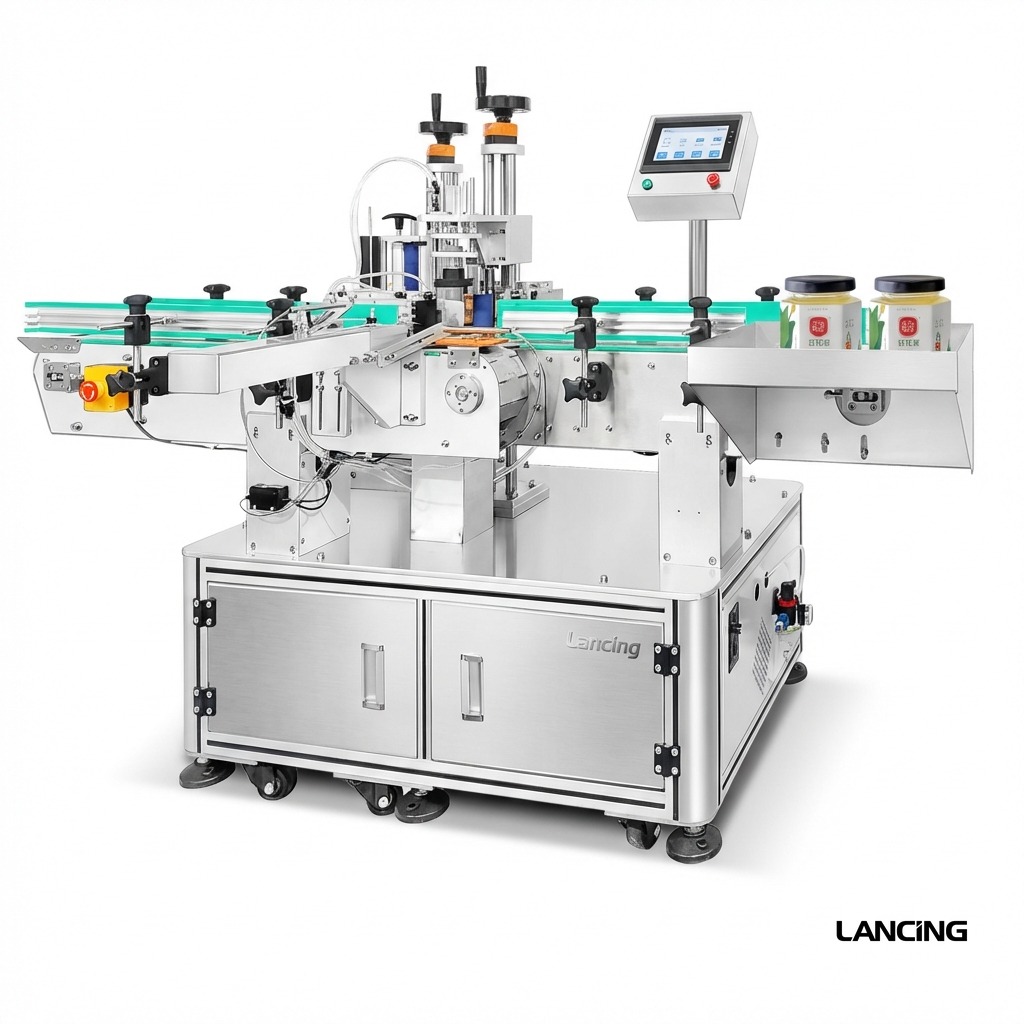 LABELLING
3 machines
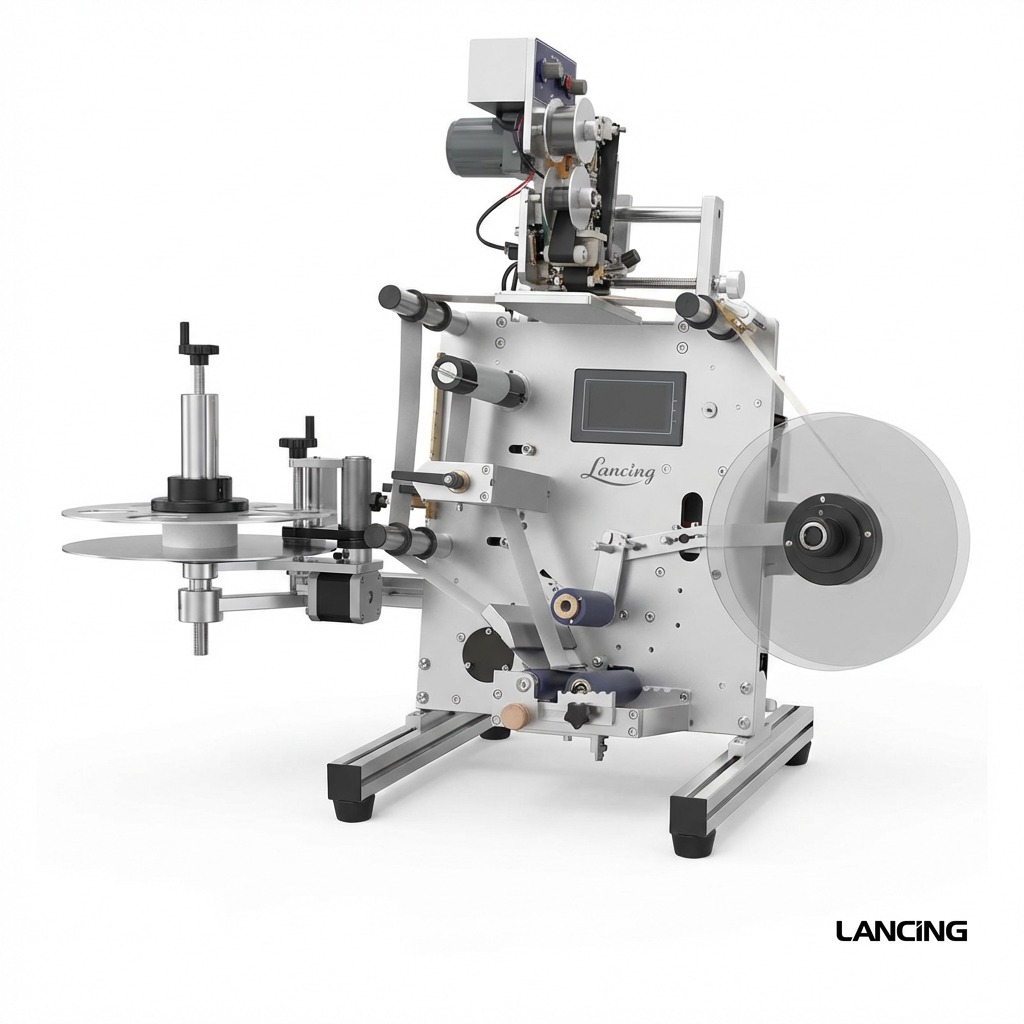 LABELLING
1 machine
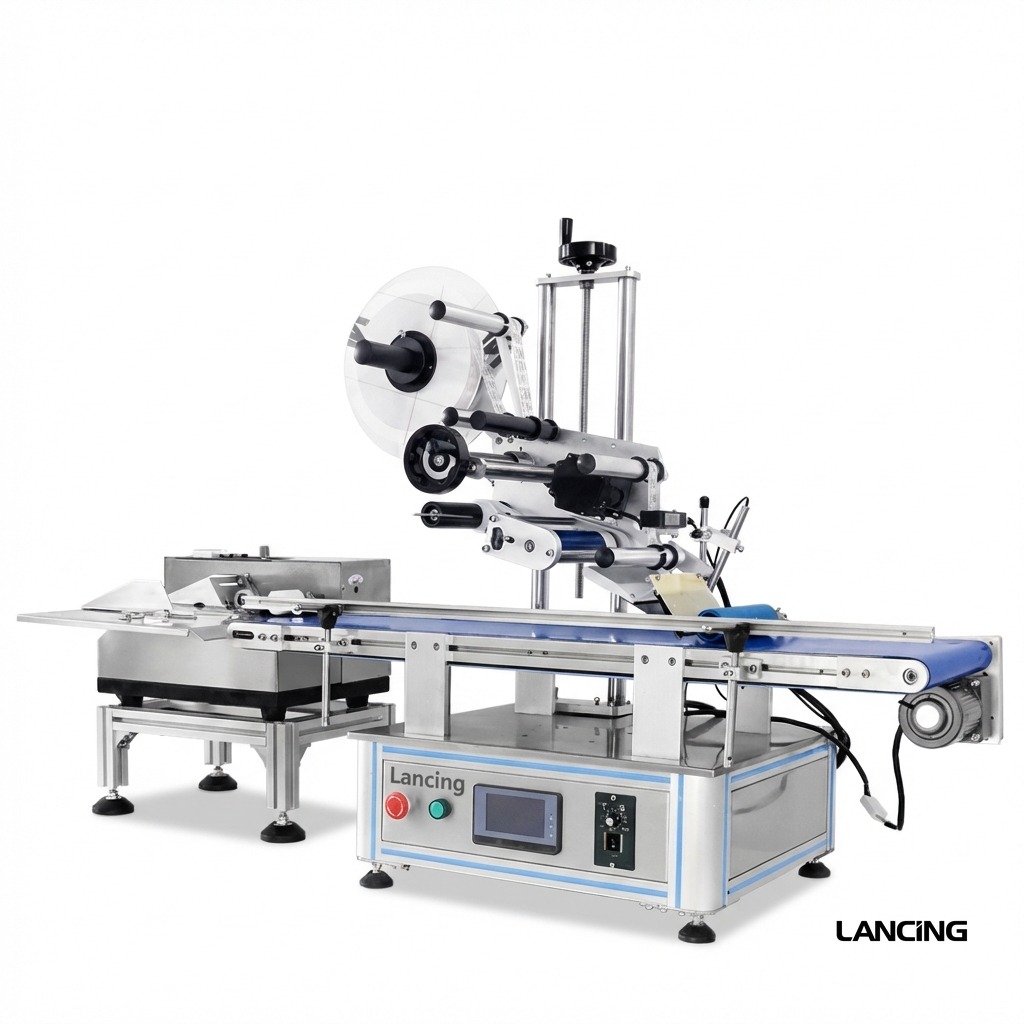 LABELLING
2 machines
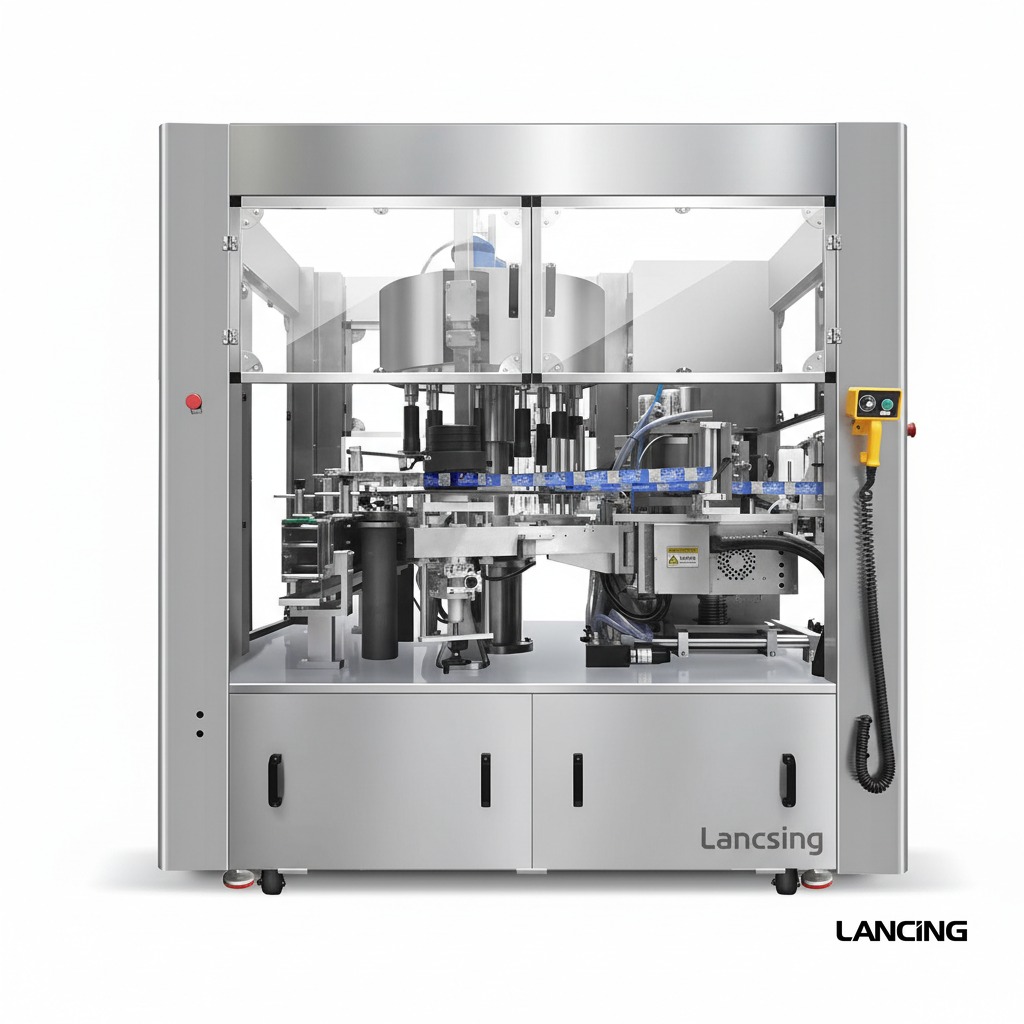 LABELLING
2 machines
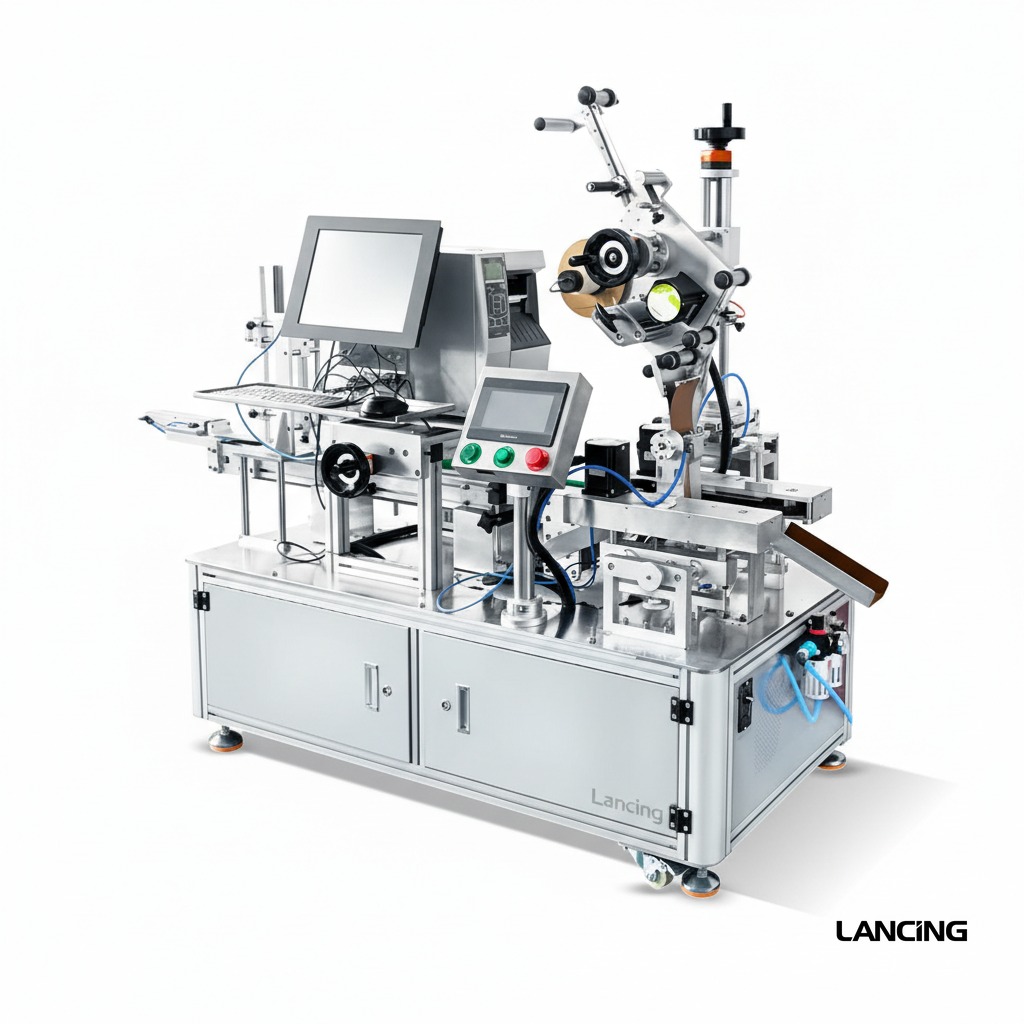 LABELLING
3 machines
Explore labelling machinery from Lancing UK, including round bottle, flat surface, front and back, wrap around and print and apply labelling machines.
Labelling machinery needs to be chosen around the real label application task, not just the container shape. Label size, material, placement accuracy, print integration, orientation control and the rate of changeovers all influence the most suitable labelling method.
This category covers the main labelling routes used on packaging lines: round bottle labellers, front and back systems, flat surface and top labelling, side labelling, wrap around machines, hot melt labellers, print and apply systems and standalone label applicators. Start with the pack shape and label requirement, then narrow the shortlist by speed, positioning accuracy and integration needs.
If labelling sits within a wider line, also review conveyor stability, coder position, container orientation and discharge handling. Lancing UK can help scope labelling machinery that works reliably with the upstream filler or capper and downstream packing stages.
Container shape, label size and material, application position, print needs and expected line speed.
Conveying, container spacing, coding and print verification can all affect final labelling performance.
Specification, layout planning, installation and support are available from Lancing UK.
These are some of the questions buyers normally ask when comparing options in this category.
Round bottle labelling systems are usually the starting point, but the final choice depends on label size, speed, positioning tolerance and changeover requirements.
Yes. Print and apply systems can be specified as part of a broader labelling or end-of-line setup.
Send the container shape, label size, label material, application position and target output so the team can point you to the right systems.
Applications & planning
Use these pages to move from the machine family into the relevant application, planning guide or service route.
Compare label routes around pack shape, presentation and coding.
Bottle routes where label presentation is commercially important.
Jar routes that need clean presentation after filling and capping.
Support when the labeller must fit an existing or wider line.
Compare the main machine families before you commit to a narrower route.
Move from general research into a stronger shortlist and enquiry.
Routes
Use these pages when container shape, label specification, SKU variation or wider bottle-line planning still needs work.
Label dimensions and placement rules often shape the shortlist.
Useful where label variants and format changes are frequent.
A main application route where labelling joins the wider line.
Useful for tighter presentation tolerances on compact packs.
A support route when format changes are central to labelling performance.
Useful when labelling needs to be planned inside the wider line route.
Planning guides
Use these guides to compare labelling budgets, timing and quotation detail before you finalise the label route.
Budget for the full route instead of comparing headline machine prices alone.
Understand how container presentation, label style and coder integration change the budget.
See what affects timing from first brief through FAT, delivery and commissioning.
Check scope, assumptions, exclusions and support before you choose.
Use product behaviour, pack format, fill accuracy and output to shortlist the right filling route.
Compare closure type, torque control, cap feed and changeover needs before you shortlist.