Typical considerations
Container drawing, material and feedstock specification, tooling, utilities, output and acceptance checks.
Sealing & Packing
Browse blow moulding machines and compare the available options for this machine type. Define the container to be formed, material and feedstock specification, required finish and output, then confirm the proposed forming process and trials.
2 machines in this sub-category.
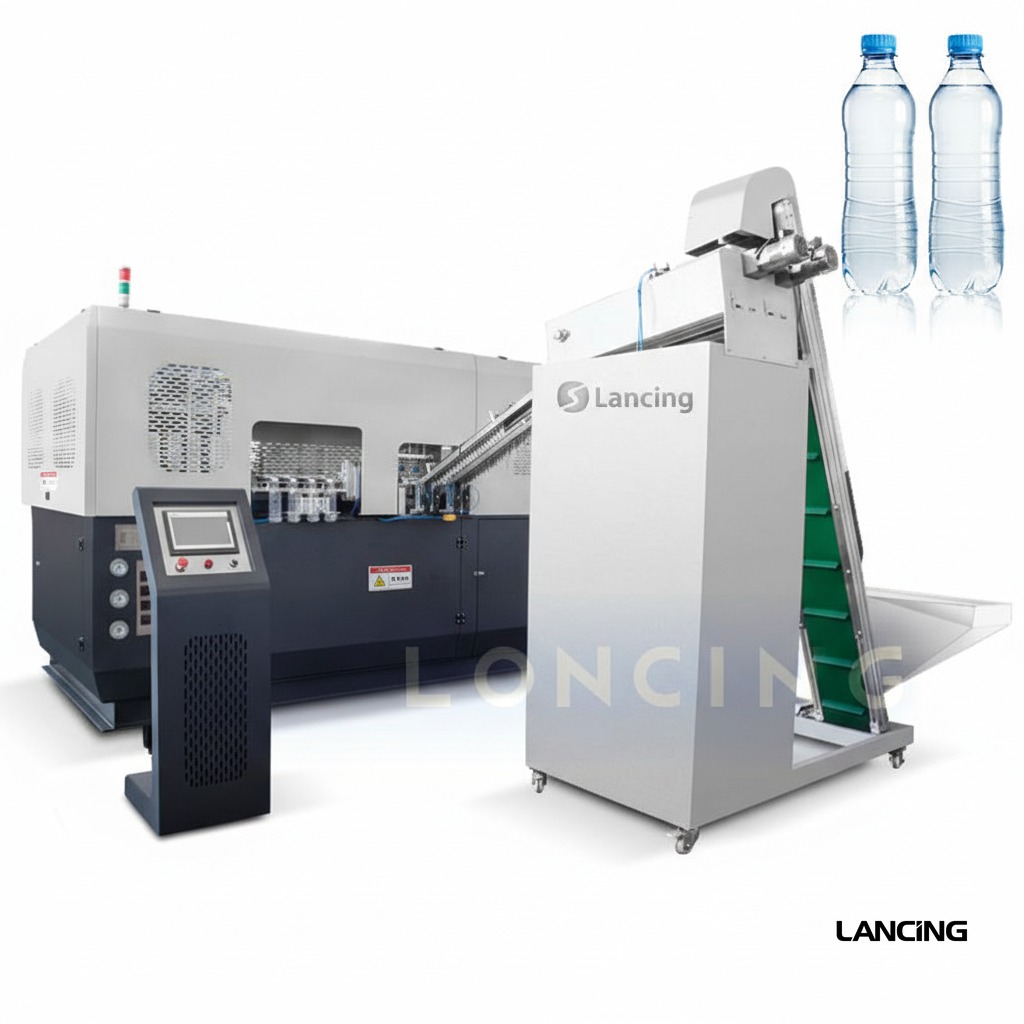 PACKING
Automatic Stretch Blow Molding Bottle Machine. Packaging machinery specification, options and support from Lancing UK
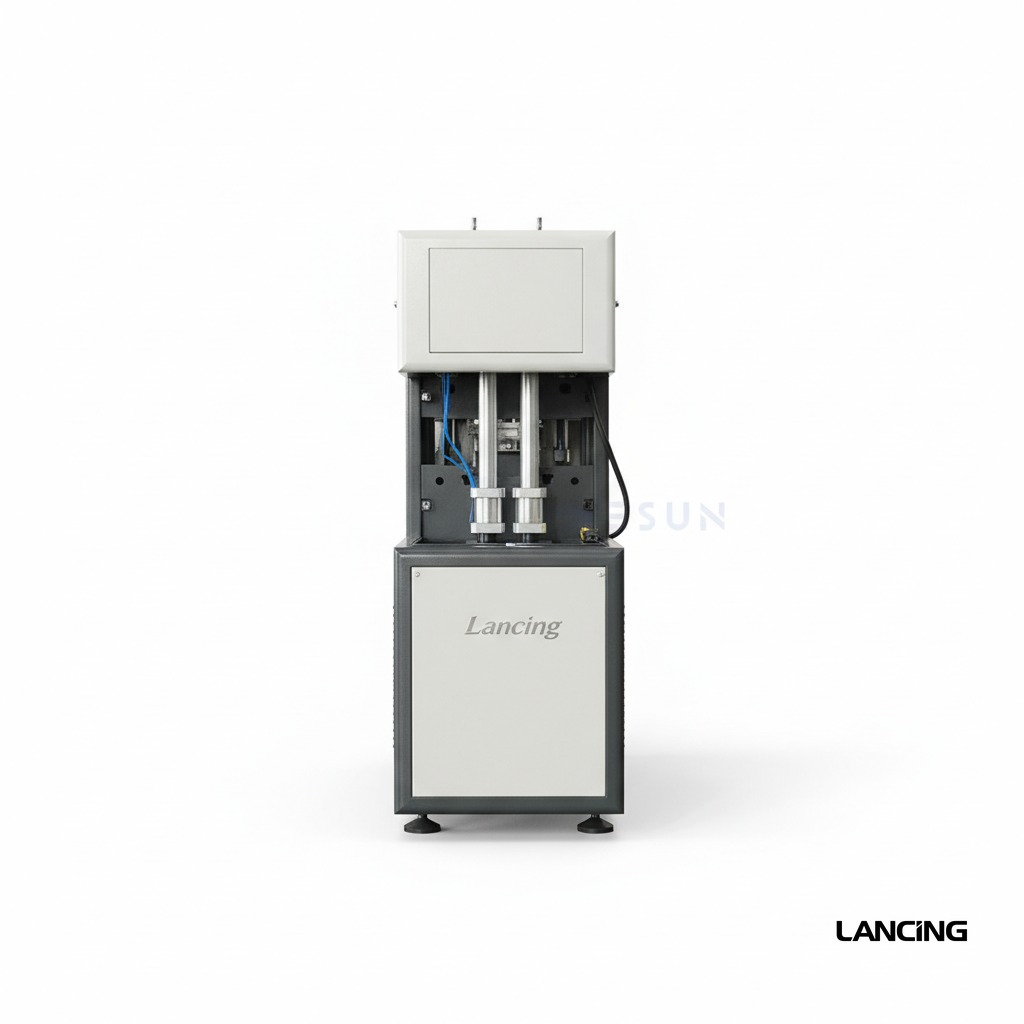 PACKING
The LU-SBMM1 is a compact blow molding machine designed for producing high-quality plastic containers, especially for cosmetics and personal care...
Browse blow moulding machines from Lancing UK. Compare available systems, get help matching the right machine to your product and output, and request specification support.
Blow Moulding Machines are part of the broader sealing & packing category. This page groups the available options so buyers can compare the machine type itself before moving into a specific model or series.
Start with the container drawing and finish, specified material and feedstock, required output, available utilities and onward handling. Ask the supplier to confirm the forming process, tooling and trials for that brief.
If you are comparing suppliers or preparing a commercial enquiry, it helps to treat this page as the machine-type hub: use it to identify the right route first, then move into the individual machine pages that best fit the application.
Container drawing, material and feedstock specification, tooling, utilities, output and acceptance checks.
Define how empty containers will be handled or transferred after forming, and confirm any connection to later filling, closing or packing stages.
Send the container drawing, material and feedstock details, output and utility constraints for a quotation-specific forming assessment.
Use these questions to prepare a machine enquiry and confirm the application details with the supplier.
Start with the actual container drawing and finish, specified material and feedstock, target output and available utilities. Confirm the proposed process and tooling, sample trials and acceptance checks for the exact container.
Describe the required empty-container discharge, storage or transfer route and any intended later filling or packing connection. Ask the supplier to confirm the quoted interfaces; do not assume a complete line from a forming-machine listing.
Send the intended forming and empty-container handling route, site constraints and required interfaces so the scope of the proposed equipment and any integration work can be confirmed.