Typical considerations
Container format, hygiene level, feeder capacity, orientation and line integration.
Rinsing & Feeding Machinery
Browse bottle feeding systems and compare the available options for this machine type. Compare equipment by container or cap type, presentation requirement, hygiene needs and target speed.
5 machines in this sub-category.
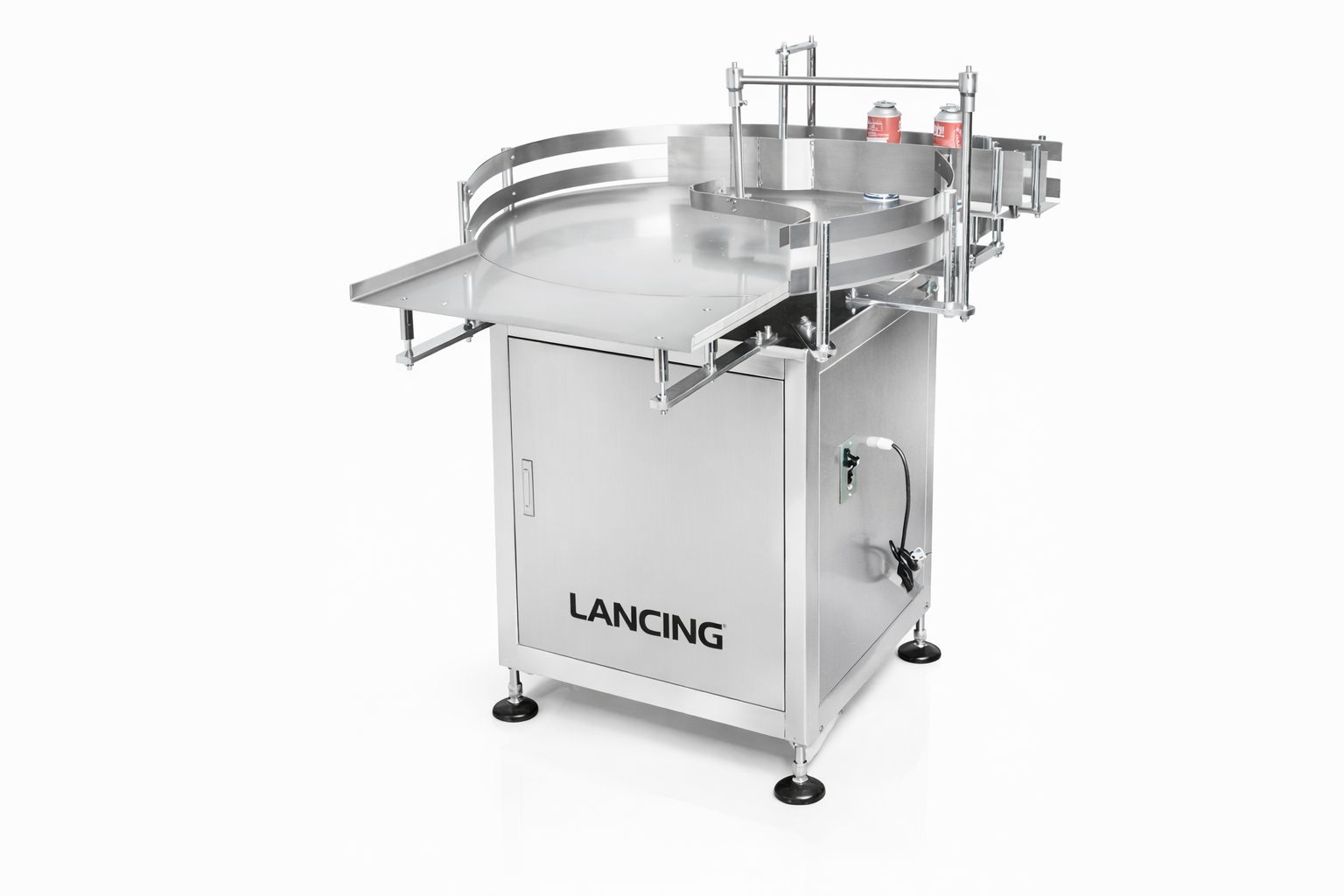 RINSING
The LU-SP800 is a compact and efficient bottle unscrambler designed to automate the feeding process in your production line. Featuring a stainless...
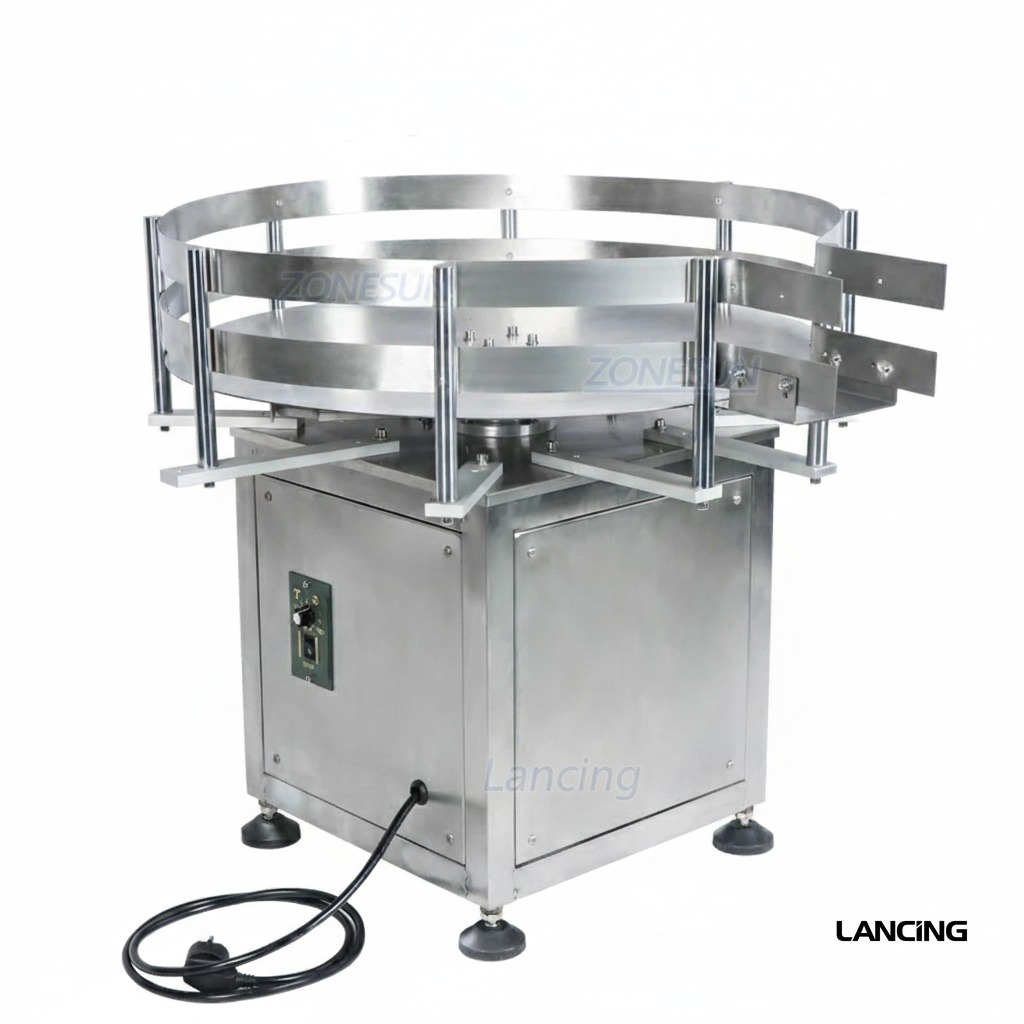 RINSING
The LU-SP600Z is a compact rotary bottle unscrambler designed for small-scale production lines. It automatically collects and arranges bottles,...
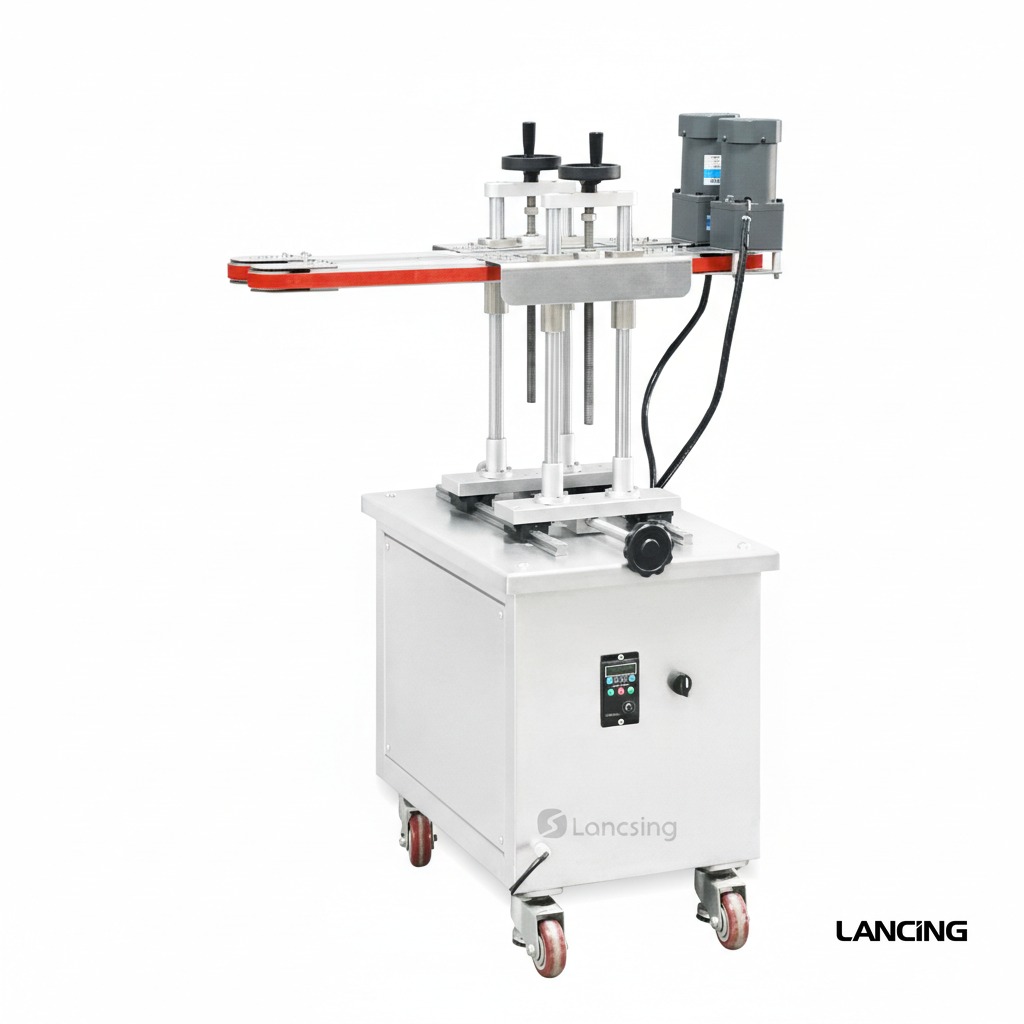 RINSING
LU-JP1 Automatic Bottle Clamping Conveyor for Production Lines is intended to support movement, spacing or accumulation of containers and packs through the line. The...
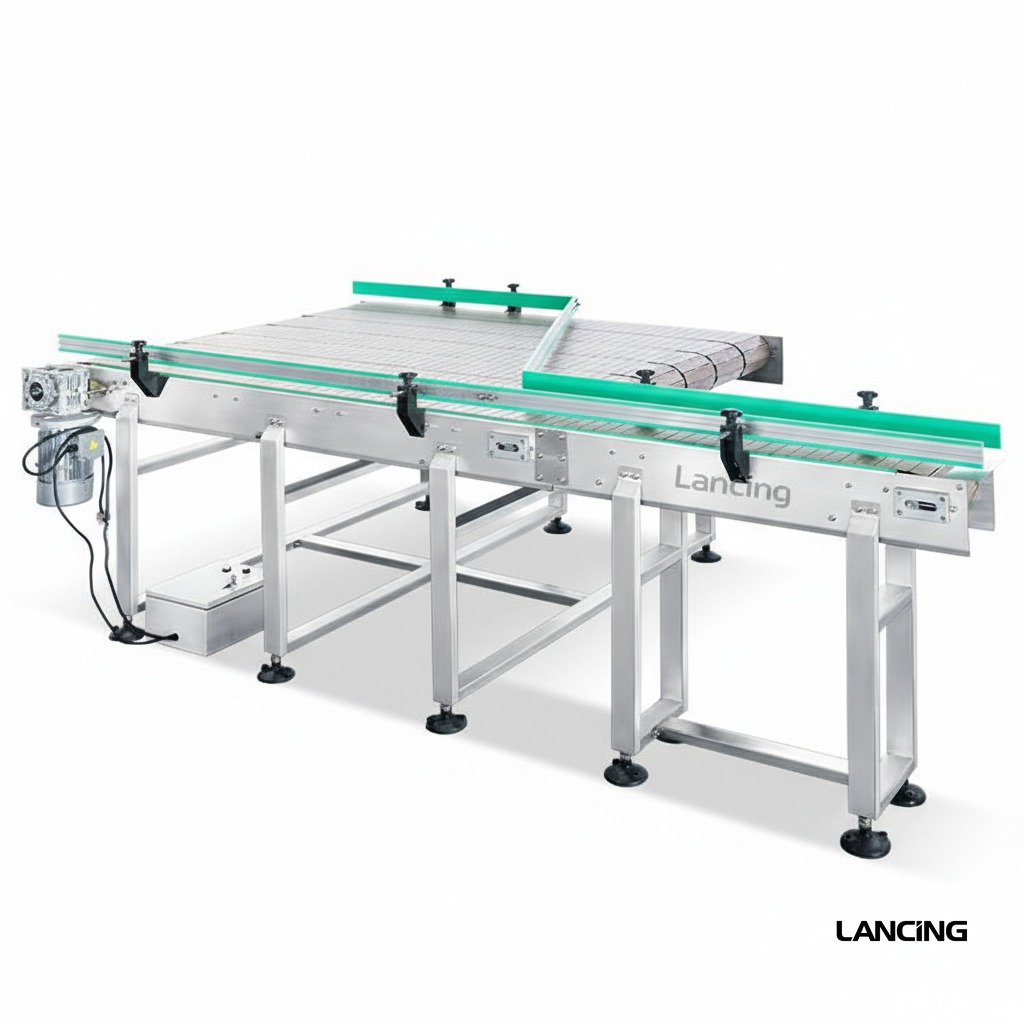 RINSING
The Lancing UK LU‑CB190 custom conveyor belt functions as an efficient bottle unscrambler, sorting bottles or containers with high capacity to...
 RINSING
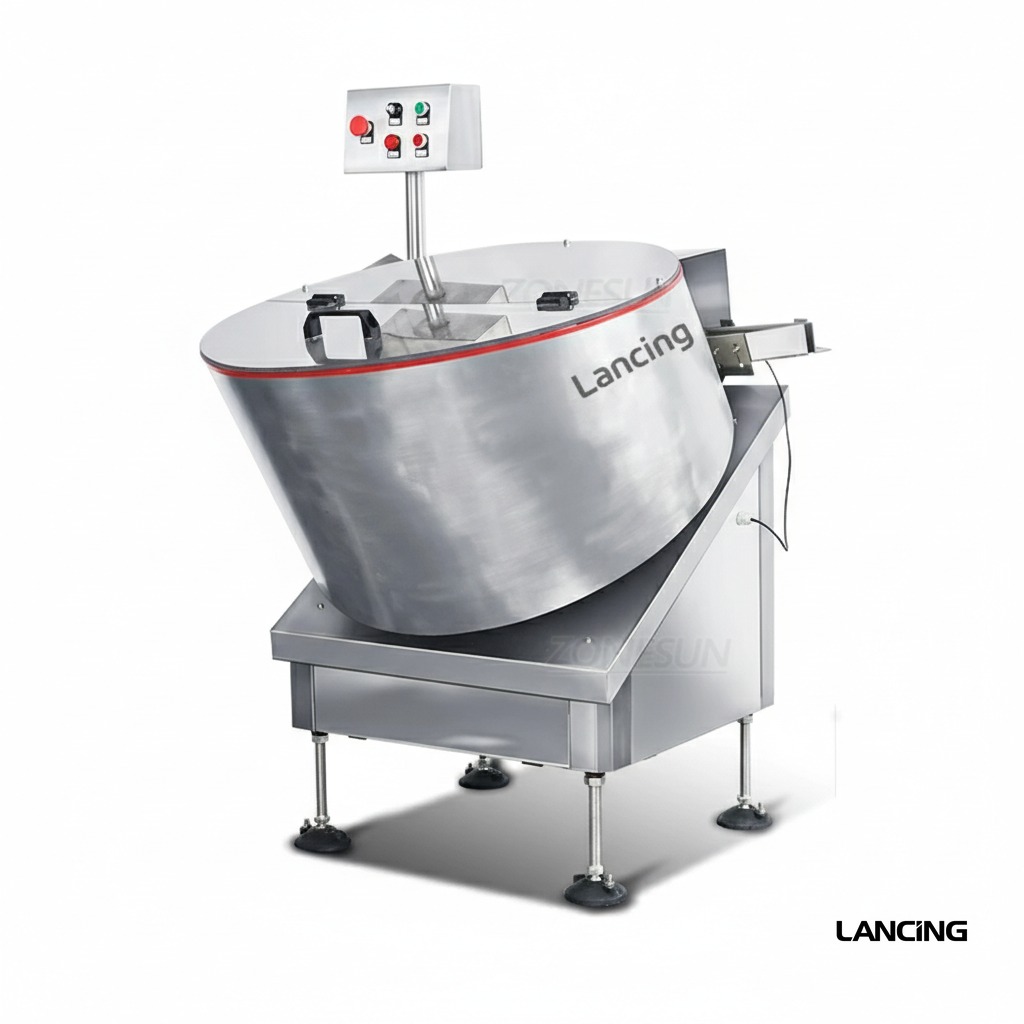
The Lancing UK LU‑LP750 is an automatic rotary bottle unscrambler designed to efficiently sort and feed bottles into production lines. Its rotary...
Browse bottle feeding systems from Lancing UK. Compare available systems, get help matching the right machine to your product and output, and request specification support.
Bottle Feeding Systems are part of the broader rinsing & feeding machinery category. This page groups the available options so buyers can compare the machine type itself before moving into a specific model or series.
Container orientation, cleanliness, closure presentation, feeder capacity and the interface to the main packaging machine all shape the correct choice.
If you are comparing suppliers or preparing a commercial enquiry, it helps to treat this page as the machine-type hub: use it to identify the right route first, then move into the individual machine pages that best fit the application.
Container format, hygiene level, feeder capacity, orientation and line integration.
These systems prepare containers or closures before filling, capping or labelling begins.
Send the container or cap details and output target and we can help point you to the right preparation equipment.
These answers support research-stage users and strengthen the page's coverage for machine-selection queries.
Review the container or closure type, required presentation, cleanliness standard and target line speed.
Yes. These systems are usually selected to support the machinery immediately downstream.
Good feeding and preparation improves consistency and reduces manual intervention later in the line.