What is LU-VTXG2 Continuous Motion Dual-Head Capping Machine used for?
Continuous Motion Dual-Head Capping Machine , sales and related technical services of modern high-tech enterprises. Opens in a new window.
Key information to help you specify the right configuration.
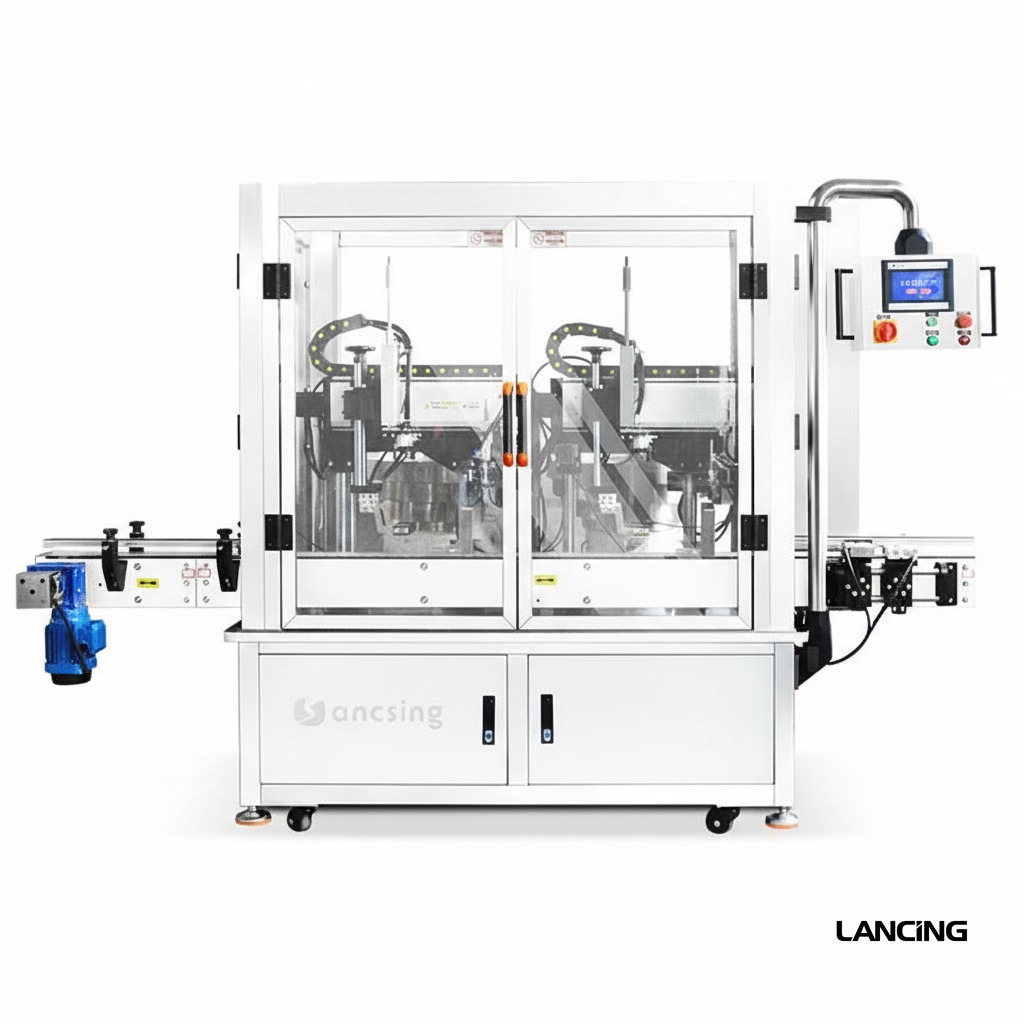
Auto‑scrolling. Hover to pause.
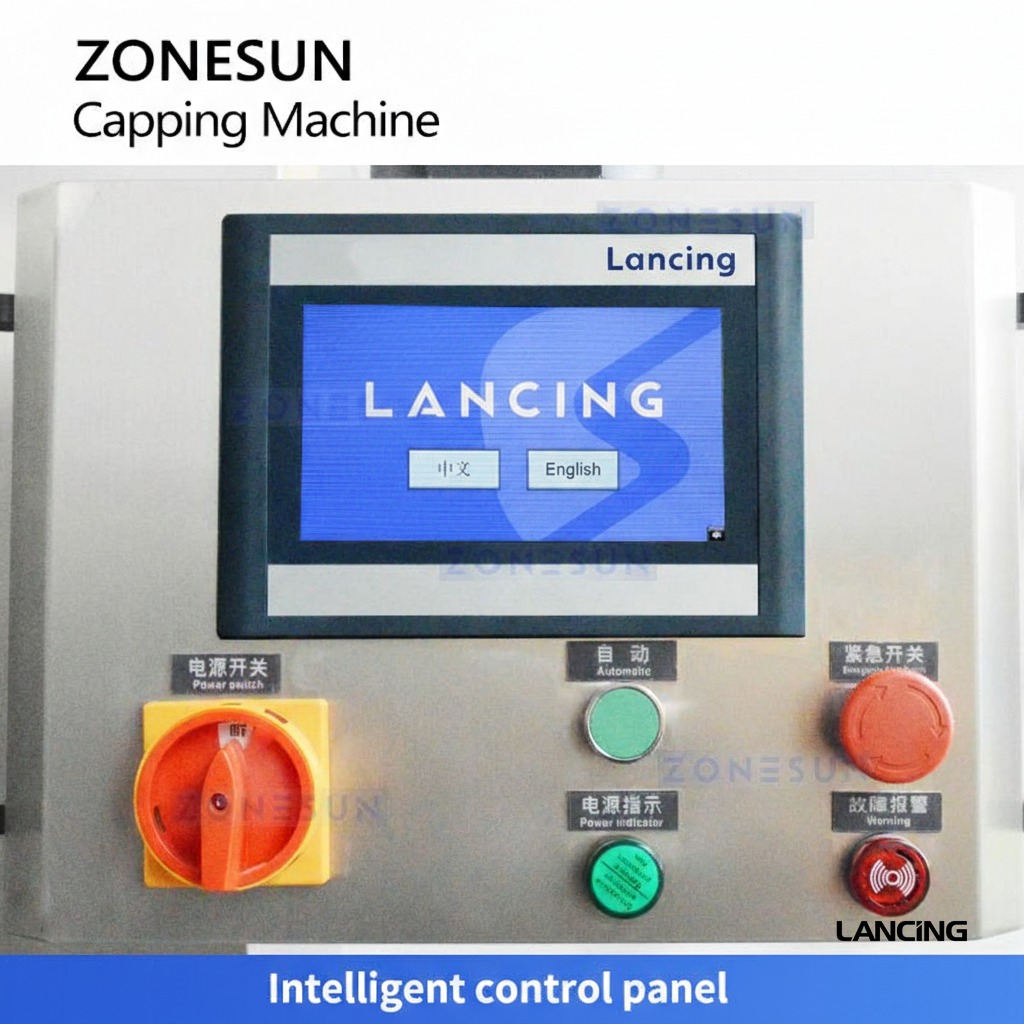
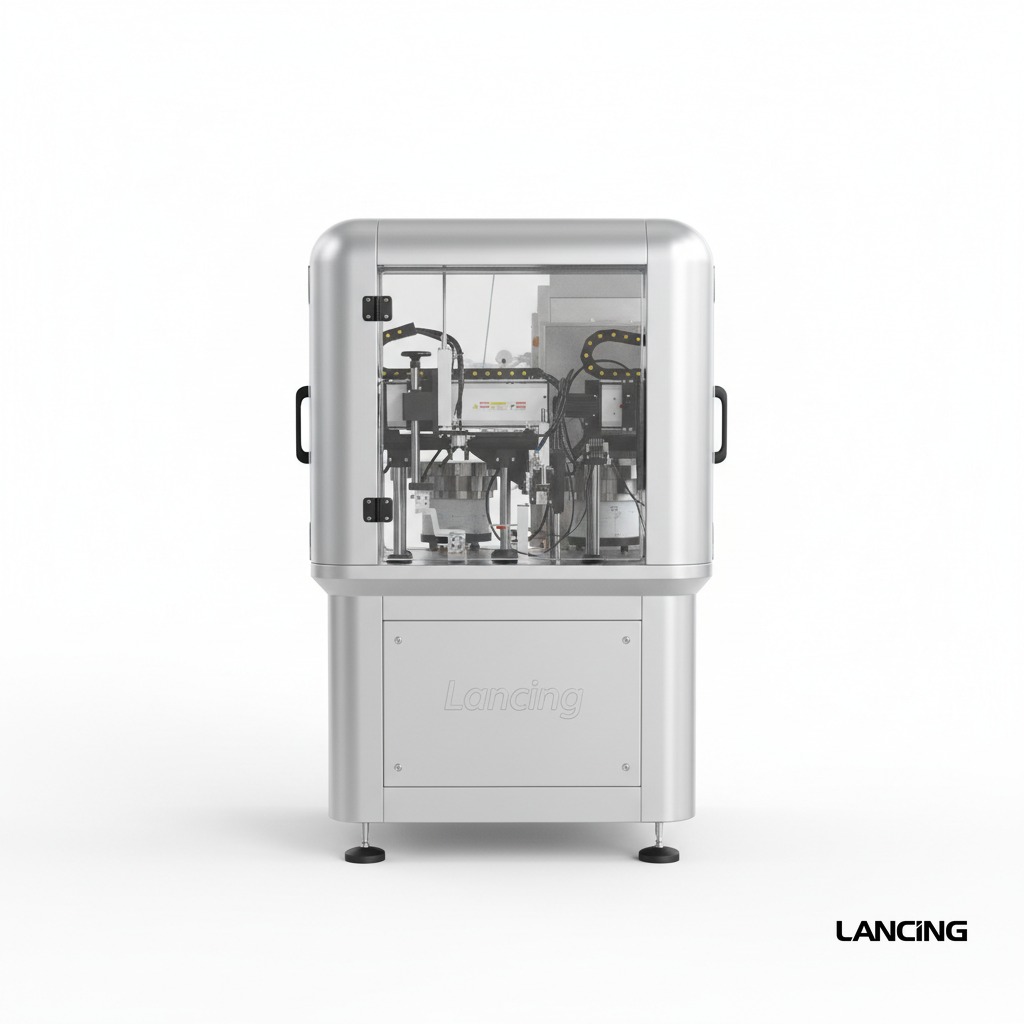
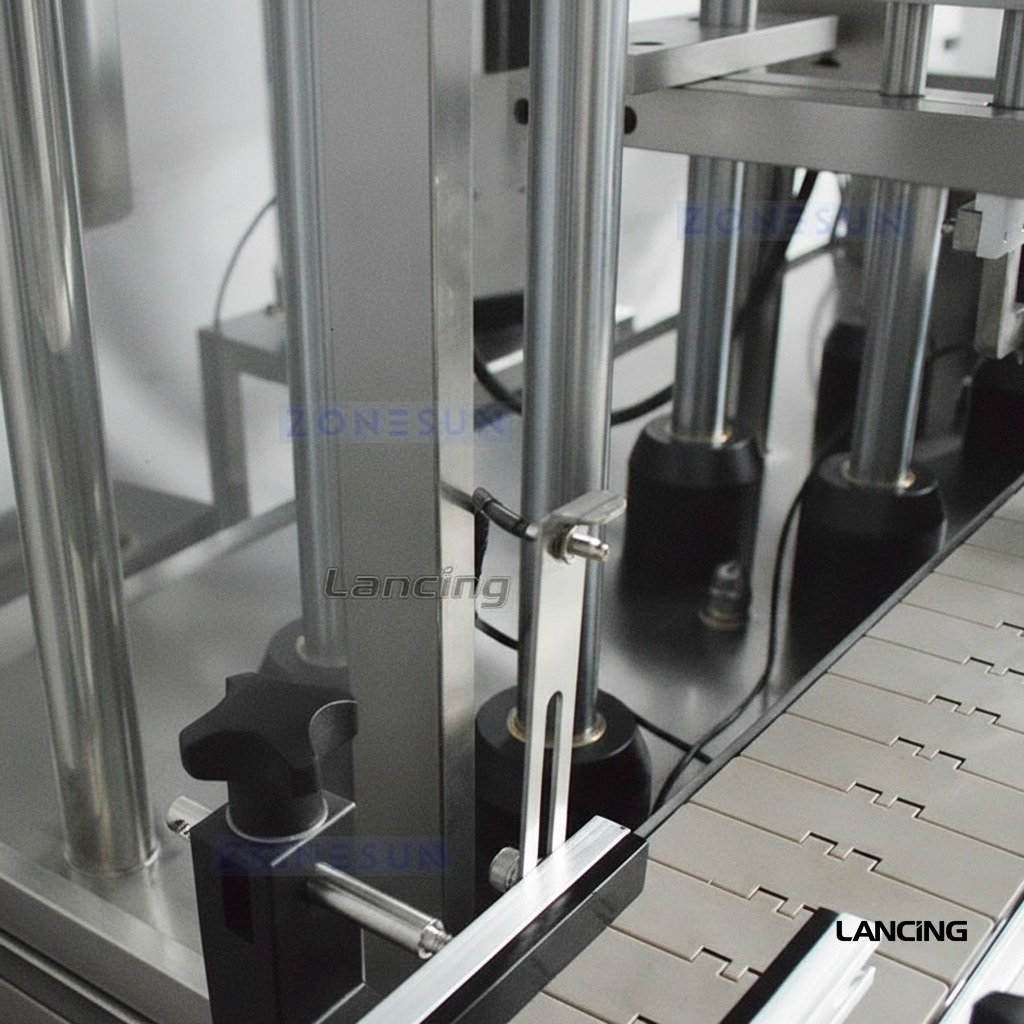
Reference specification table. Final configuration may vary with options and scope.
| Parameter | Value |
|---|---|
| Model | LU-VTXG2 |
| Power | 380V 50HZ |
| Working capacity | 50-80BPM |
| Suitable bottle size | H < 250mm, Φ < 110mm |
| Suitable cap size | Φ = 20-80mm |
| Machine size | About 3000 1100 1900mm (118.11 43.31 74.8 inch) |
| Machine weight | About 450 kg |
CAD/dimensions are provided in a pop‑out viewer.
No CAD/dimensions drawing uploaded yet.
Clear answers for buyers, engineers and AI-driven search summaries.
Continuous Motion Dual-Head Capping Machine , sales and related technical services of modern high-tech enterprises. Opens in a new window.
Final throughput depends on the product, container, fill volume and level of automation selected for the project.
Power: 380V 50HZ; Footprint / size: H < 250mm, Φ < 110mm
Yes. Lancing UK can review your product characteristics, bottle or pack format, closure type, required output and site constraints to confirm the right configuration before supply.
We’ll confirm suitability, options, integration, and realistic throughput for your product.
Send a message and we’ll respond with configuration options, pricing guidance and lead times.
This type of capper is usually shortlisted where bottle filling, capping & labelling is the main route and the closure stage needs better repeatability, more stable changeovers or improved presentation into downstream labelling and packing. It is often worth reviewing the cap feed and the container handling at the same time.
For capping projects, it also helps to confirm closure torque targets, cap presentation and bottle stability before finalising the specification.
Capping and closing projects
LU-VTXG2 Continuous Motion Dual-Head Capping Machine should usually be compared against the wider project route, not just against similar machine names. Capping and closing machinery is usually selected around closure presentation, bottle stability, torque or press-fit consistency, cap-feeding method and the way upstream filling and downstream labelling interact with the closure stage. The best shortlists compare the closure route, not just the capper itself.
Using this page alongside the wider bottle and closure-planning routes helps decide whether the requirement is a standalone capper, a fed capping system, a complete bottle line or a staged retrofit around the existing equipment.
Useful commercial checks before you shortlist or request a final quotation.
Shortlisting lu-vtxg2 continuous motion dual-head capping machine is usually about more than the base machine price. Buyers normally need to confirm closure type, cap feeding, torque control and container stability, then check how that scope fits the wider line, labour model and growth plan.
When comparing this option commercially, ask whether quoted performance is based on your real product and pack, what change parts or feeding equipment are required, what utilities still need confirming and whether installation, FAT, commissioning or aftercare sit inside the same budget.